


When Should Mine Page Phones Be Serviced or Replaced?
Most mine operators think page phones are set-it-and-forget-it. You install them, they work, done. But underground communication gear takes a beating — and if you're ignoring the signs, you're putting people at risk. These devices aren't built to last forever, and when they fail, the consequences go way past inconvenience. Especially in environments where a missed call could mean a missed evacuation.
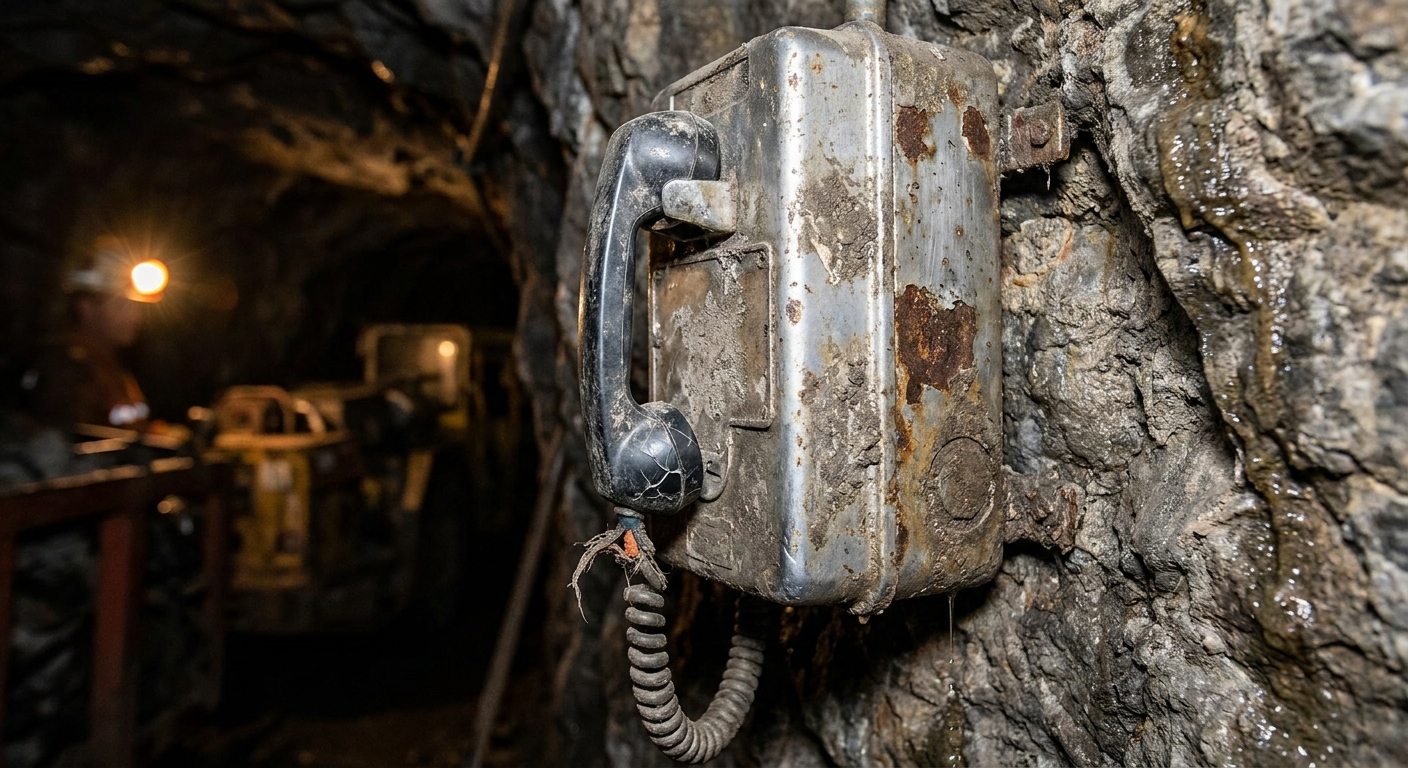
So here's what matters. If you're relying on page phones to keep crews safe, you need to know when they're slipping. Every unit should be inspected regularly. Every breakdown should be documented. And every replacement decision should be grounded in reliability — not just how long you've had the thing sitting on the wall.
Audio Problems Show Up First
Nine times out of ten, the earliest warning sign isn't a dead phone. It's static, muffled voices, or calls that cut in and out. You might chalk it up to network issues or interference, but more often than not, it's the handset or internal components starting to go. The hardware's been exposed to dust, moisture, vibration — all the things mines throw at mining safety equipment daily.
When audio quality drops, that's your cue. Ignoring it doesn't make it go away. It just means the next time someone picks up that phone in an emergency, they might not hear a word. And in underground operations, that's not a risk worth taking.
Physical Damage Isn't Always Obvious
Cracked casings and broken buttons are easy to spot. But internal wear? That's harder. A phone might look fine on the outside and still have corroded wiring or compromised seals. We've seen units that passed a visual check but failed under load because moisture had been creeping in for months.
Here's what to watch for:
- Visible cracks or dents in the housing
- Buttons that stick or don't register
- Handset cords that fray or lose connection
- Loose mounting brackets or unstable installation
- Discoloration or residue around seals and ports
If the damage is surface-level and caught early, servicing might fix it. But if structural integrity is compromised — especially in explosion-proof enclosures — replacement is the only safe call.
Connectivity Issues Point to Bigger Problems
Intermittent connections aren't just annoying. They're dangerous. If a page phone drops calls or takes multiple attempts to connect, that's a red flag. It could be wiring, power supply, network degradation, or the unit itself losing its ability to maintain a stable link.
You can't afford guesswork here. If the problem shows up more than once, bring in a technician. Run diagnostics. Check the whole circuit, not just the phone. Because when the issue resurfaces during a real emergency, there's no do-over.
When Repairs Cost More Than Replacement
At some point, fixing becomes more expensive than upgrading. If you're servicing the same units every few months, you're throwing money at a losing game. Downtime adds up. Parts get harder to source. And older models eventually hit a wall where they just can't keep pace with current standards.
Here's when replacement makes more sense:
- The manufacturer no longer supports the model
- Repair costs exceed half the price of a new unit
- Parts availability is inconsistent or delayed
- The phone can't integrate with updated communication systems
- You're dealing with repeat failures on the same device
Compliance Standards Change
Safety regulations don't stand still. What passed inspection five years ago might not cut it today. If your page phones don't meet current explosion-proof ratings or emergency communication protocols, you're operating outside the lines. And when audits come around, that's a problem that won't go away with a quick fix.
Upgrading to compliant units isn't optional. It's part of running a responsible operation. The cost of replacement is nothing compared to the cost of a citation — or worse, an incident that could have been prevented.
Obsolete Tech Doesn't Play Nice
Mine communication systems evolve. If your page phones can't sync with newer infrastructure or lack compatibility with digital networks, they're holding you back. You might be able to patch things together for a while, but eventually the gaps widen. Coverage suffers. Reliability drops. And you're left managing two systems instead of one.
When expansion happens or network upgrades roll out, legacy devices become liabilities. If they can't keep up, they need to go. Simple as that.
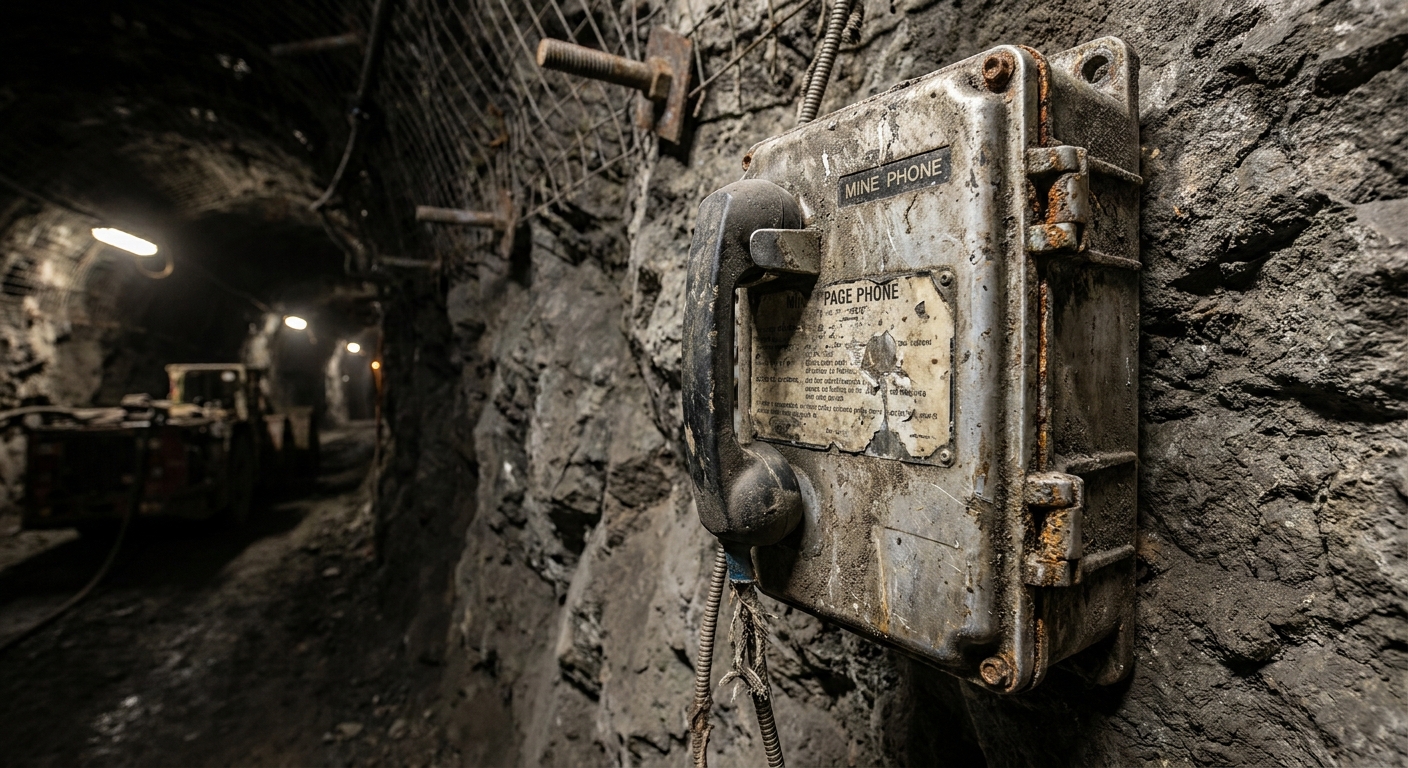
What Your Maintenance Records Should Show
Want to know when a phone needs attention? Keep a log. Track every inspection, every repair, every complaint. If you're flying blind without documentation, you're guessing. And guesses don't hold up when safety's on the line.
Your records should include:
- Installation dates and model numbers
- Inspection schedules and findings
- Repair history and parts replaced
- Audio quality checks and connectivity tests
- Environmental exposure notes — flooding, chemical spills, impact events
If the data shows a pattern of decline, act on it. Waiting until the phone dies completely is a gamble no operation should take.
Preventive Maintenance Beats Reactive Fixes
Scheduled servicing isn't overkill. It's standard practice for any critical equipment. Regular cleaning, seal checks, and diagnostic testing catch issues before they escalate. A quarterly inspection might seem like extra effort, but it's a lot less disruptive than a failed phone during a shift change or emergency drill.
Most operators who skip maintenance do it because things seem fine. But "fine" underground can turn into "fatal" faster than anyone expects. Don't wait for the breakdown. Build the routine now.
Getting Professional Eyes on Your System
If your page phones are showing signs of wear — or you're just not sure where they stand — bring in someone who knows the equipment. A qualified technician can run load tests, check environmental seals, and assess whether repair services extend equipment life or if you're better off replacing.
They'll also help you:
- Identify units that are past their service life
- Source compliant replacements that fit your network
- Plan upgrades without disrupting operations
- Set up a maintenance schedule tailored to your environment
- Avoid costly downtime from preventable failures
Communication Gear Isn't Optional
Page phones keep people connected when everything else goes dark. Treating them like an afterthought is a mistake too many operations make — until something goes wrong. There's no excuse for letting underground communication equipment degrade when the signs are sitting right there. But there's also no room for error when lives depend on a working line.
Smart operators don't wait for failure. They watch the trends, track the data, and make the call before the system makes it for them. Because the difference between servicing on time and replacing in a panic is usually measured in safety — not savings.
Let's Keep Your Mine Safe and Connected
Staying ahead of communication failures is all about proactive decisions and expert support. We know how critical reliable page phones are for your team's safety and daily operations. If you're ready to upgrade, need a professional assessment, or just want to make sure your system is up to standard, let's talk. Call us at 800-523-1579 or contact us today so we can help you keep your mine running safely and smoothly.
‹ Back
Recent Posts
-
Two-Way Radios vs. Cell Phones - Which Is Better for Farm Communication?
September 29, 2026
-

Can One Two-Way Radio System Cover Multiple Farms & Fields?
September 15, 2026
-

Do Farms Need an FCC License for Two-Way Radios?
September 1, 2026
-
When Should Mine Page Phones Be Serviced or Replaced?
August 18, 2026
-
Is Your Two Way Mining Radio Losing Battery Life Fast?
August 4, 2026