


Minesafe Electronics provides customers with valuable information and insights related to mining electronics, communication systems, and safety solutions. Our blog serves as a platform to share expertise, industry knowledge, and practical tips to help mining operations, industrial facilities, and emergency response teams across the United States enhance productivity, efficiency, and safety measures.
If you're looking to optimize mining processes, explore new safety solutions, or stay up-to-date with industry trends, our blog is a valuable resource. Explore our blog and discover information that can help make informed decisions and enhance operations. If you have any questions or would like to discuss our products and services further, feel free to contact us at 800-523-1579.
-
 Sep 15
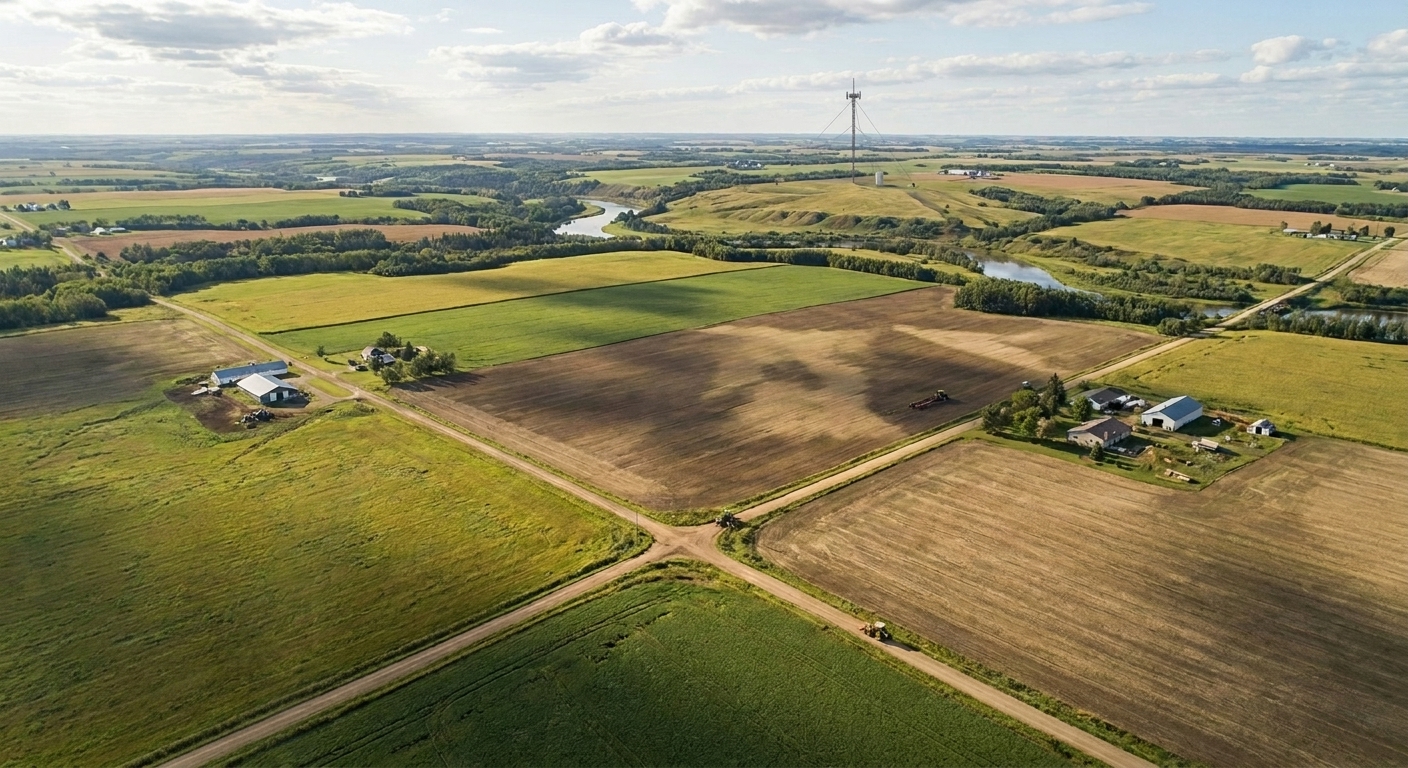
Can One Two-Way Radio System Cover Multiple Farms & Fields?
Most agricultural operations think radio coverage is just about buying the right equipment. Pick a frequency, power up, and hope for the best. But the reality is messier than that — ...
Read More -
 Sep 1
Sep 1Do Farms Need an FCC License for Two-Way Radios?
Most farmers think two-way radios are plug-and-play. Buy the equipment, hand out the units, start talking. But the FCC sees it differently — and if you're not paying attention, ...
Read More -
 Aug 18
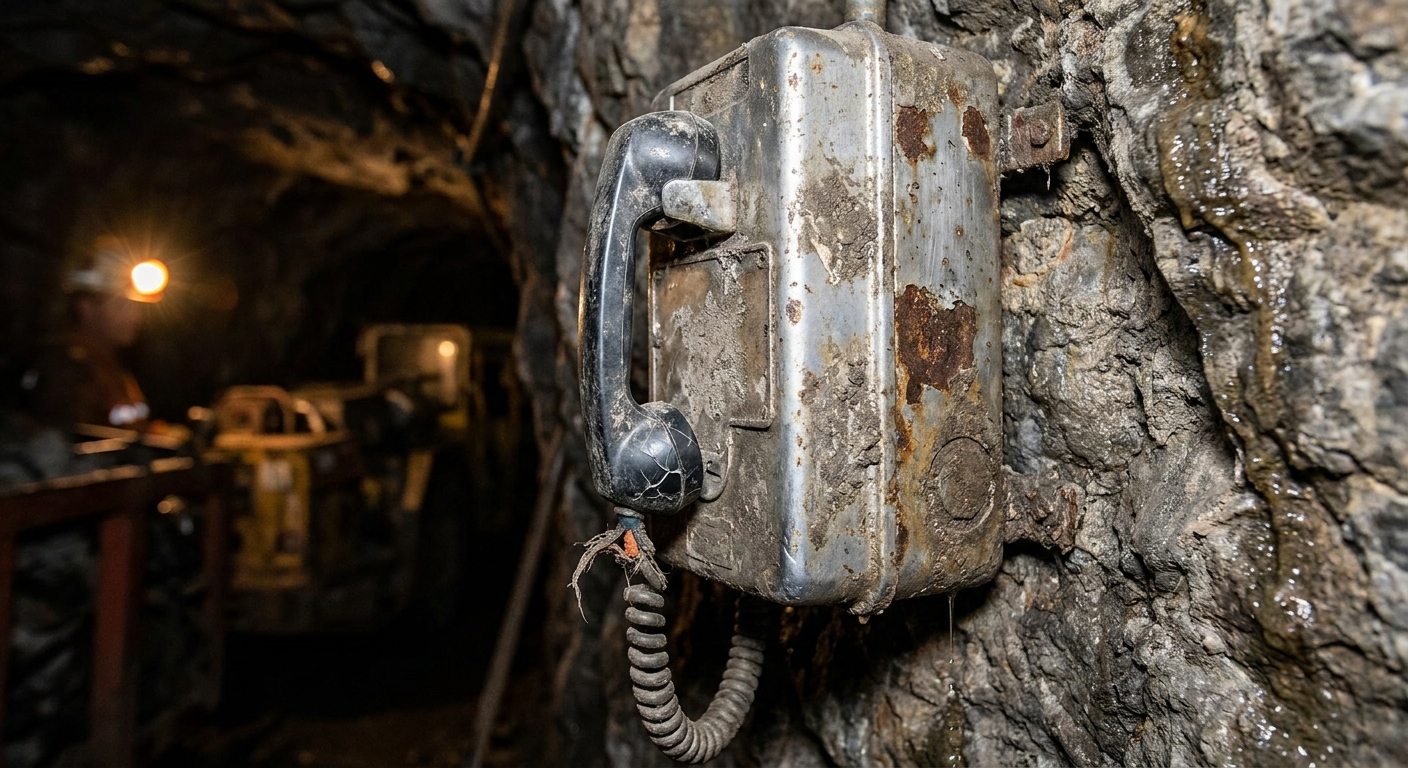
When Should Mine Page Phones Be Serviced or Replaced?
Most mine operators think page phones are set-it-and-forget-it. You install them, they work, done. But underground communication gear takes a beating — and if you're ignoring the signs, you'...
Read More -
 Aug 4
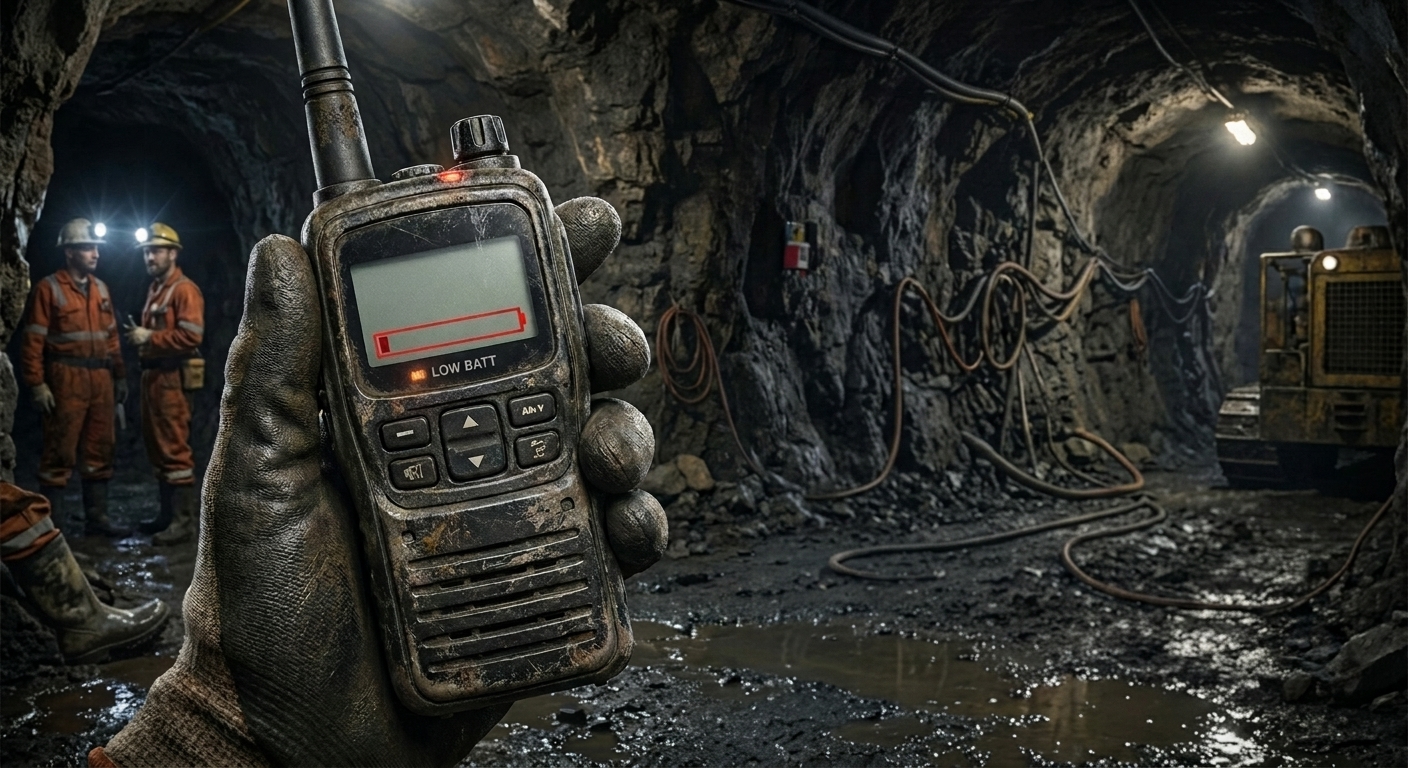
Aug 4Is Your Two Way Mining Radio Losing Battery Life Fast?
Underground work demands constant communication. Every shift depends on clear signals and functional equipment. But when your two way mining radio starts dying halfway through the day, you've got ...
Read More -
 Jul 21
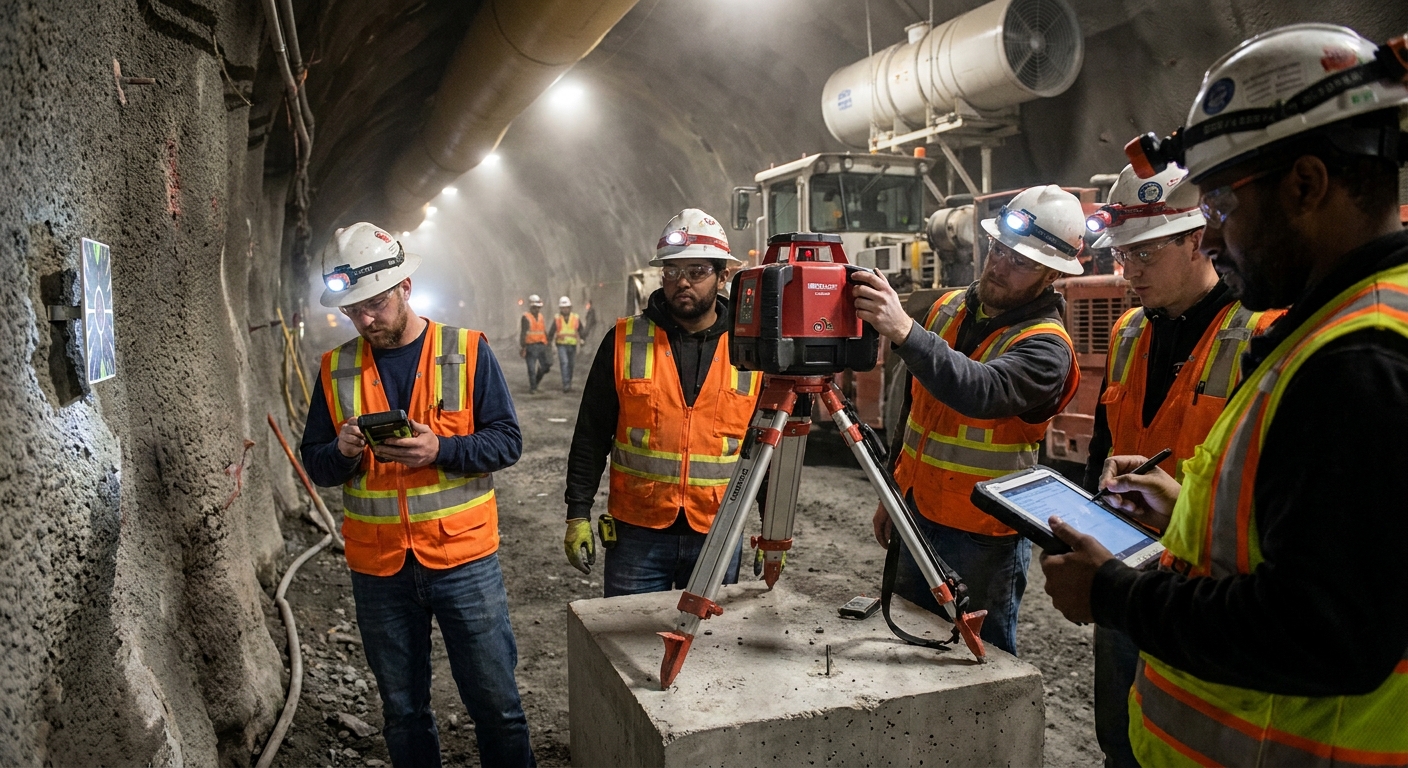
How Tunnel Crews Can Use Laser Alignment Tools More Efficiently
Most tunnel crews think alignment tools are just about staying on track. Point the laser, follow the beam, dig the hole. But the job demands more than that — and ...
Read More
Recent Posts
-
Can One Two-Way Radio System Cover Multiple Farms & Fields?
September 15, 2026
-
Do Farms Need an FCC License for Two-Way Radios?
September 1, 2026
-
When Should Mine Page Phones Be Serviced or Replaced?
August 18, 2026
-
Is Your Two Way Mining Radio Losing Battery Life Fast?
August 4, 2026
-