


How to Choose Atmospheric Monitoring Systems for Active Mines
Underground mining doesn't give you room for error when it comes to air quality. Methane pockets, oxygen depletion, carbon monoxide buildup — these aren't theoretical risks. They're daily realities that can turn deadly in seconds. An atmospheric monitoring system isn't just another piece of equipment. It's the difference between catching a problem early and dealing with a catastrophe. But not all systems are built the same, and choosing the wrong one can leave gaps that regulations won't forgive and workers won't survive.
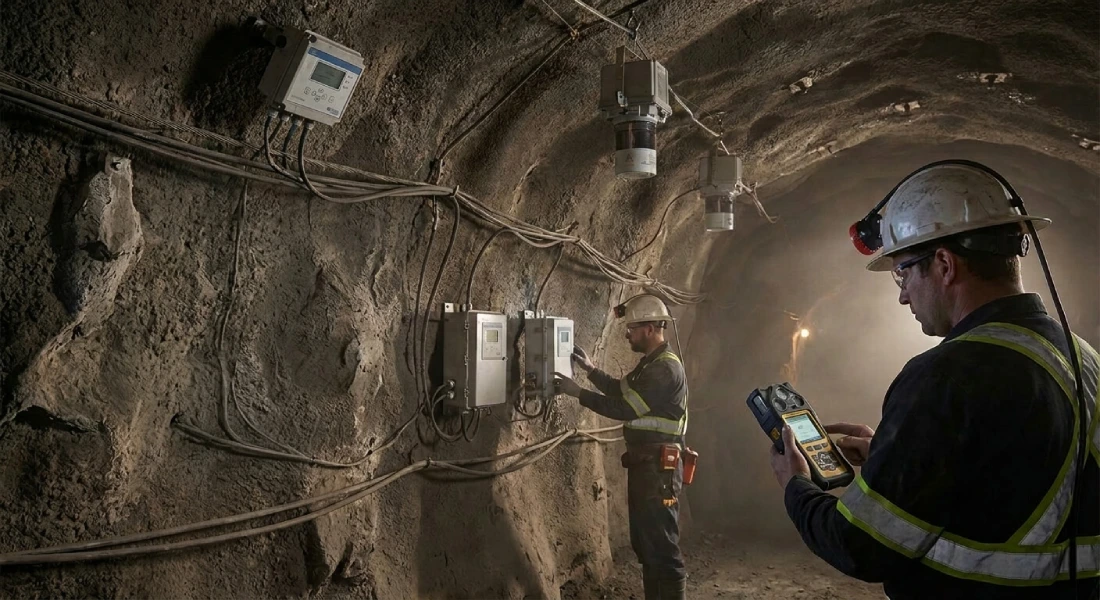
We've seen operations treat monitoring like a checkbox exercise. Install a few sensors, call it done, move on. That's not how this works. The right system needs to match your mine's layout, your specific hazards, and your operational tempo. It needs to communicate in real time, hold up under brutal conditions, and give you data you can actually use. If you're shopping for an AMS, here's what actually matters.
Know What You're Up Against
Before you even look at product specs, you need a clear picture of what's happening underground. Every mine has its own fingerprint — different gases, different ventilation challenges, different hotspots where trouble tends to brew. Methane might be your biggest concern in coal operations. Hydrogen sulfide could dominate in certain metal mines. Dust and particulates add another layer depending on what you're extracting and how you're doing it.
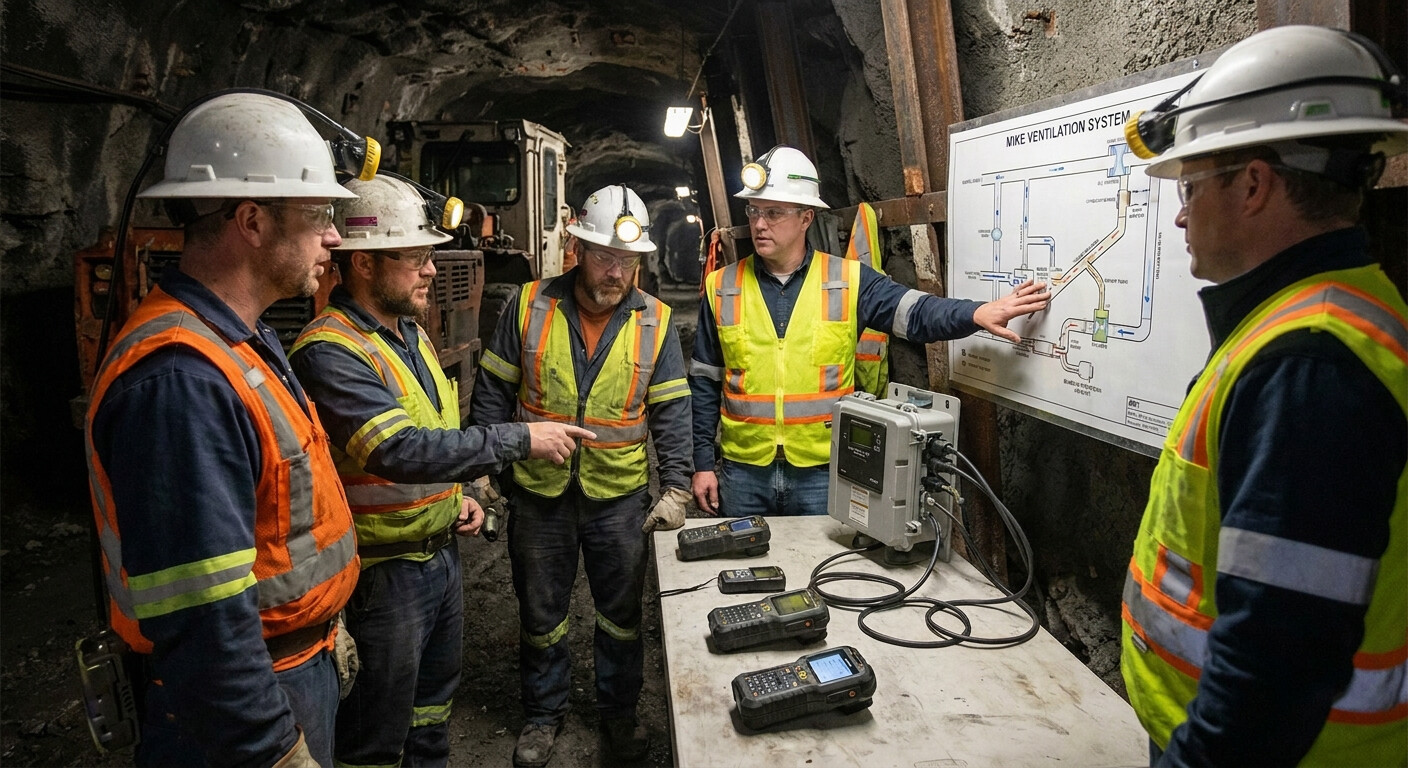
Walk the site. Talk to your crew. Review incident logs and near-miss reports. Identify where hazardous atmospheres are most likely to develop and where your ventilation system struggles to keep up. This isn't guesswork — it's the foundation for everything that follows. You can't spec a system until you know exactly what you're asking it to detect, where it needs to be, and how fast it needs to respond.
Regulations Aren't Suggestions
Mining safety agencies don't mess around, and neither should you. MSHA in the U.S., equivalent bodies elsewhere — they all have clear requirements for atmospheric monitoring. Gas detection thresholds, alarm protocols, data retention, system redundancy — it's all spelled out. If your system doesn't meet those standards, you're not just risking fines. You're risking lives and your license to operate.
Make sure any system you're considering is certified and compliant. Don't assume the vendor has done their homework. Verify it yourself. Ask for documentation. Cross-check against the latest regulatory updates. Compliance isn't a one-time thing either. Standards evolve, and your system needs to keep pace or you'll be scrambling to retrofit later.
Fixed, Portable, or Both
You've got options when it comes to deployment. Fixed systems sit in place, monitoring continuously at key locations. They're reliable, they're always on, and they give you a constant read on conditions in high-risk zones. Portable detectors go where your workers go, offering flexibility and coverage in areas that aren't wired up. Some mines need one or the other. Most need both.
Fixed systems make sense for ventilation shafts, main haulage ways, and anywhere you've got consistent traffic or known hazards. Portable units are essential for exploratory work, maintenance tasks, and any spot where conditions can shift fast. A hybrid approach gives you the best of both worlds — comprehensive coverage without blind spots. Just make sure the two systems can talk to each other and feed into a central monitoring hub.
Sensor Tech That Holds Up
Sensors are the heart of the system, and not all of them are created equal. Catalytic bead sensors work well for combustible gases. Electrochemical sensors handle toxic gases like carbon monoxide and hydrogen sulfide. Infrared sensors are solid for methane and CO2. Each has its strengths, and each has limitations you need to understand.
Detection range, sensitivity, response time — these specs matter. So does cross-sensitivity, which is how a sensor reacts to gases it's not designed to detect. You also need sensors that can survive the environment. Mines are wet, dusty, and temperature-variable. If your sensors can't handle that, they'll fail when you need them most. Look for ruggedized designs with proven track records in similar conditions.
Real-Time Data That Actually Moves
A sensor that detects a problem is useless if no one knows about it. Your AMS needs to communicate fast and reliably. Real-time data transmission to a central control room is non-negotiable. Wireless systems can be a game-changer in large or complex mines where running cable is a nightmare. Just make sure the wireless network is robust enough to handle interference and maintain signal strength underground.
Data logging is another must-have. You need historical records for incident investigations, trend analysis, and regulatory audits. The system should store data securely and make it easy to pull reports when you need them. Integration with your broader mine management software is a bonus — it lets you correlate atmospheric data with ventilation adjustments, equipment usage, and shift schedules.
Alarms That Get Attention
When the system detects a hazard, everyone needs to know immediately. Visual and audible alarms at the sensor location are a start, but they're not enough. You need remote notifications that reach the control room, supervisors, and emergency response teams. The system should support customizable thresholds so you can set alarms based on your specific risk profile, not just factory defaults.
Integration with mine-wide emergency protocols is critical. If methane levels spike, the system should trigger ventilation adjustments, halt equipment, and initiate evacuation procedures automatically. Every second counts, and manual intervention introduces delay and human error. The more your AMS can do on its own, the better your odds of avoiding disaster.
Maintenance You Can Actually Keep Up With
Sensors drift. Calibration slips. Components wear out. If your AMS is a pain to maintain, it won't get maintained — and that's when things go sideways. Choose systems that are straightforward to service, with clear calibration schedules and easy access to spare parts. Some vendors offer remote diagnostics and automated calibration reminders, which can save you time and reduce the risk of missed maintenance windows.
Training and support matter too. Your team needs to know how to operate the system, troubleshoot common issues, and respond to alarms correctly. Make sure the vendor provides comprehensive training and has a responsive support network. Downtime isn't just inconvenient — it's dangerous. You need a partner who can get you back online fast when something breaks.
What It Costs Beyond the Price Tag
Upfront cost is easy to see. Long-term cost is where most operations get surprised. Factor in calibration, consumables, sensor replacements, software updates, and support contracts. A cheap system that nickel-and-dimes you on maintenance can end up costing more than a premium option with lower ongoing expenses.
Also consider the cost of getting it wrong. A system that fails to detect a hazard, or that generates so many false alarms your crew starts ignoring it, isn't just a bad investment. It's a liability. Weigh the price against the value of reliable, accurate monitoring that keeps your people safe and your operation compliant. That's not an expense — it's insurance.
Choosing Smart Means Staying Safe
Atmospheric monitoring isn't optional, and it's not something you can afford to get wrong. The right system gives you visibility, control, and peace of mind. The wrong one leaves you exposed to risks you won't see coming until it's too late. Take the time to assess your needs, understand your options, and choose a system that's built for the realities of your mine. Mining safety equipment plays a critical role in preventing accidents, and reliable communication systems enhance safety by ensuring rapid response to hazards. Operations that invest in electronic safety equipment with the right features see measurable improvements in incident prevention. For comprehensive solutions, explore our products designed specifically for hazardous sites. Your crew is counting on it, and so is your bottom line.
Let’s Safeguard Your Mine Together
When it comes to atmospheric monitoring, there’s no room for compromise. We’re here to help you find a system that fits your operation and keeps your team protected every shift. If you’re ready to take the next step toward safer mining, call us at 800-523-1579 or contact us today to discuss your needs and get expert guidance from our team.
‹ Back
Recent Posts
-
Best Two-Way Radio Systems for Rock Quarries & Aggregate Operations
October 13, 2026
-
Two-Way Radios vs. Cell Phones - Which Is Better for Farm Communication?
September 29, 2026
-
Can One Two-Way Radio System Cover Multiple Farms & Fields?
September 15, 2026
-

Do Farms Need an FCC License for Two-Way Radios?
September 1, 2026
-
When Should Mine Page Phones Be Serviced or Replaced?
August 18, 2026