


Supporting First Responders With Reliable Communication Equipment
First responders don't get the luxury of waiting for perfect conditions. They show up when buildings are collapsing, when networks are down, and when every second counts. Their radios, phones, and data systems aren't just tools—they're lifelines. And when those systems fail, people die. That's not dramatic. That's just the reality of emergency response.
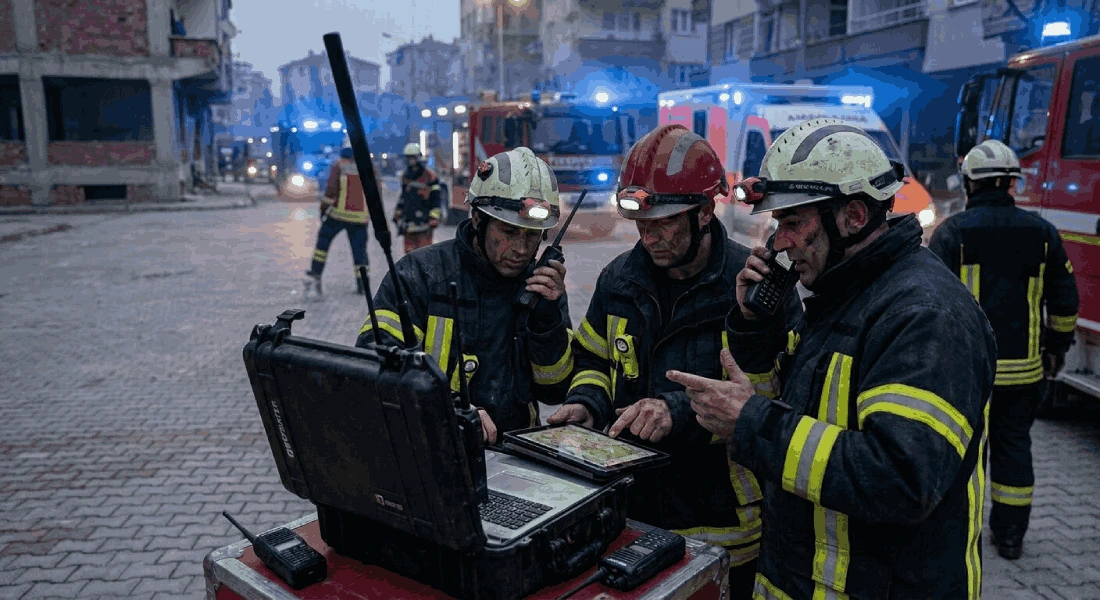
So if we're serious about supporting the people people who run toward danger, we need to stop treating communication equipment like an afterthought. It's not about handing out radios and hoping for the best. It's about building systems that work when everything else doesn't—and making sure the people using them know how to squeeze every ounce of performance out of them when it matters most.
When the Network Goes Dark
Disasters don't care about your infrastructure. Hurricanes knock out cell towers. Earthquakes sever fiber lines. Wildfires turn repeaters into scrap metal. And in those moments, first responders are expected to coordinate rescues, manage evacuations, and keep the public informed—all while operating in conditions that would cripple most commercial systems.
Traditional communication methods crumble under that kind of pressure. Power grids fail. Network congestion spikes. Physical barriers block signals. And suddenly, the tools that worked fine during training are useless in the field. That's why resilience isn't optional. It's the baseline. If your communication gear for first responders can't survive the worst-case scenario, it's not built for the job.
What Separates Real Gear from Junk
Not all communication equipment is created equal. First responders need devices that can take a beating and keep transmitting. That means ruggedized hardware, extended battery capacity, and signal strength that doesn't quit when you need it most.
- Built to survive: Equipment must handle extreme heat, freezing cold, water exposure, and physical impact without losing functionality.
- Power that lasts: Long shifts and extended operations demand batteries that can run for hours or days without access to charging.
- Encrypted channels: Sensitive tactical information requires secure transmission to prevent interception or interference.
- Cross-agency compatibility: Devices must integrate seamlessly with systems used by other departments and jurisdictions.
- Crystal-clear audio: Background noise, distance, and environmental factors can't be allowed to garble critical messages.
Technology That Actually Delivers
Modern communication systems have come a long way from the clunky radios of decades past. Digital two-way radios, satellite phones, and mobile command units now offer GPS tracking, real-time data sharing, and integration with broader emergency management platforms. These aren't luxury features—they're operational necessities.
Dedicated public safety networks like FirstNet provide priority access and guaranteed uptime during disasters. These systems are designed to handle voice, data, and video simultaneously, giving responders the bandwidth they need to coordinate complex operations. Investing in this kind of infrastructure isn't just smart—it's the difference between chaos and control when everything goes sideways.
Training Separates Good Gear from Wasted Money
Handing someone a radio doesn't make them ready. First responders need hands-on training, scenario-based drills, and ongoing technical support to use their equipment effectively. That means regular practice, not just a one-time orientation.
Agencies also need to establish clear protocols for maintenance, upgrades, and replacement cycles. Technology evolves fast, and yesterday's cutting-edge system can become tomorrow's liability if it's not kept current. Staying ahead of the curve ensures that responders always have access to the best tools available.
Why Interoperability Isn't Negotiable
Emergencies don't respect jurisdictional boundaries. A fire in one county can spread to another. A manhunt can cross state lines. A natural disaster can require coordination between local, state, and federal agencies. If those teams can't communicate with each other, the response falls apart.
Interoperability means different agencies can share information seamlessly, regardless of what equipment they're using. It requires standardized protocols, compatible frequencies, and systems designed to work together from the ground up. Without it, even the most advanced emergency communication plans becomes a silo—and silos get people killed.
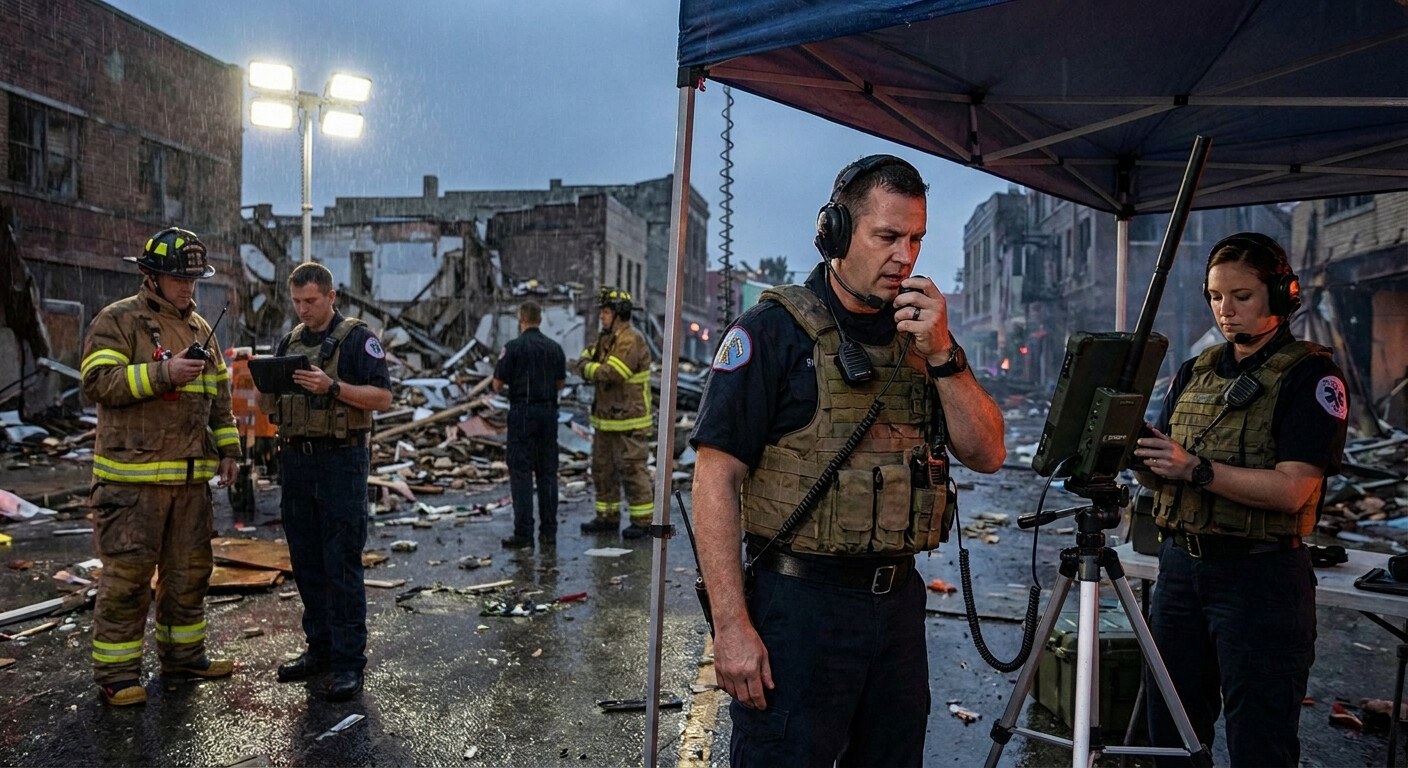
The Cost of Cutting Corners
Budget constraints are real, but skimping on communication equipment is a gamble no community should take. Cheap radios fail when you need them. Outdated systems can't handle modern data loads. And when responders can't communicate, the consequences ripple outward—delayed rescues, missed intelligence, and preventable casualties.
- Unreliable hardware: Low-quality devices break down under stress, leaving teams isolated and vulnerable.
- Limited range: Weak signals can't penetrate buildings or reach remote areas, creating communication dead zones.
- Poor battery performance: Devices that die mid-operation force responders to improvise or go silent.
- Lack of encryption: Unsecured channels expose tactical information to anyone with a scanner.
- Incompatible systems: Agencies that can't talk to each other waste time and resources trying to coordinate through workarounds.
Maintenance Keeps Systems Alive
Even the best equipment needs care. Regular inspections, firmware updates, and component replacements prevent small issues from becoming catastrophic failures. Agencies should track device performance, monitor battery health, and replace aging units before they fail in the field.
Maintenance isn't glamorous
Maintenance isn't glamorous, but it's what keeps communication systems operational year after year. Neglect it, and you're setting up your responders for failure when they can least afford it.
Support That Doesn't Stop at Purchase
Buying equipment is just the beginning. First responders need ongoing technical support, troubleshooting assistance, and access to replacement parts. Vendors who disappear after the sale leave agencies stranded when problems arise.
- 24/7 technical support: Emergencies don't happen on a schedule, and neither should help.
- Rapid replacement programs: Damaged or lost equipment must be replaced quickly to maintain operational readiness.
- Training updates: As systems evolve, responders need refresher courses and new skill development.
- Field service options: On-site repairs and diagnostics minimize downtime and keep teams in action.
Investing in the People Who Show Up
First responders don't ask for much. They show up when called, work in conditions most people can't imagine, and put their lives on the line for strangers. The least we can do is give them essential safety equipment for first responders that works—every time, without fail.
That means prioritizing quality over cost, resilience over convenience, and long-term reliability over short-term savings. It means training people properly, maintaining systems rigorously, and upgrading proactively. And it means recognizing that when we invest in the tools first responders depend on, we're investing in the safety and security of everyone they serve.
Let's Build Safer Communities Together
Reliable communication is the backbone of every successful emergency response, and it's our responsibility to make sure first responders have the tools they need to protect us all. If you're ready to upgrade your team's equipment or want expert advice on building a resilient system, let's connect. Call us at 800-523-1579 or contact us today so we can help you keep your community safe and prepared for whatever comes next.
‹ Back
Recent Posts
-
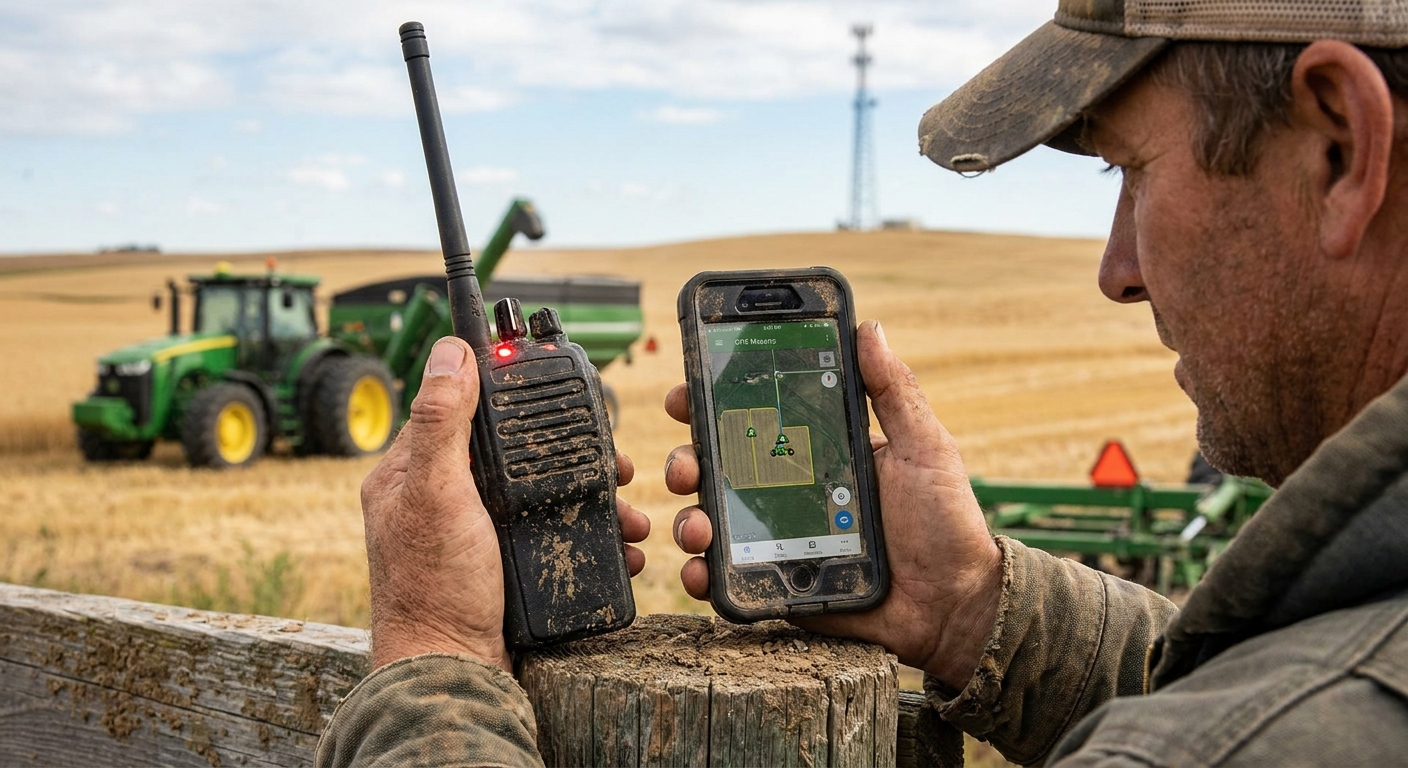
Two-Way Radios vs. Cell Phones - Which Is Better for Farm Communication?
September 29, 2026
-

Can One Two-Way Radio System Cover Multiple Farms & Fields?
September 15, 2026
-

Do Farms Need an FCC License for Two-Way Radios?
September 1, 2026
-
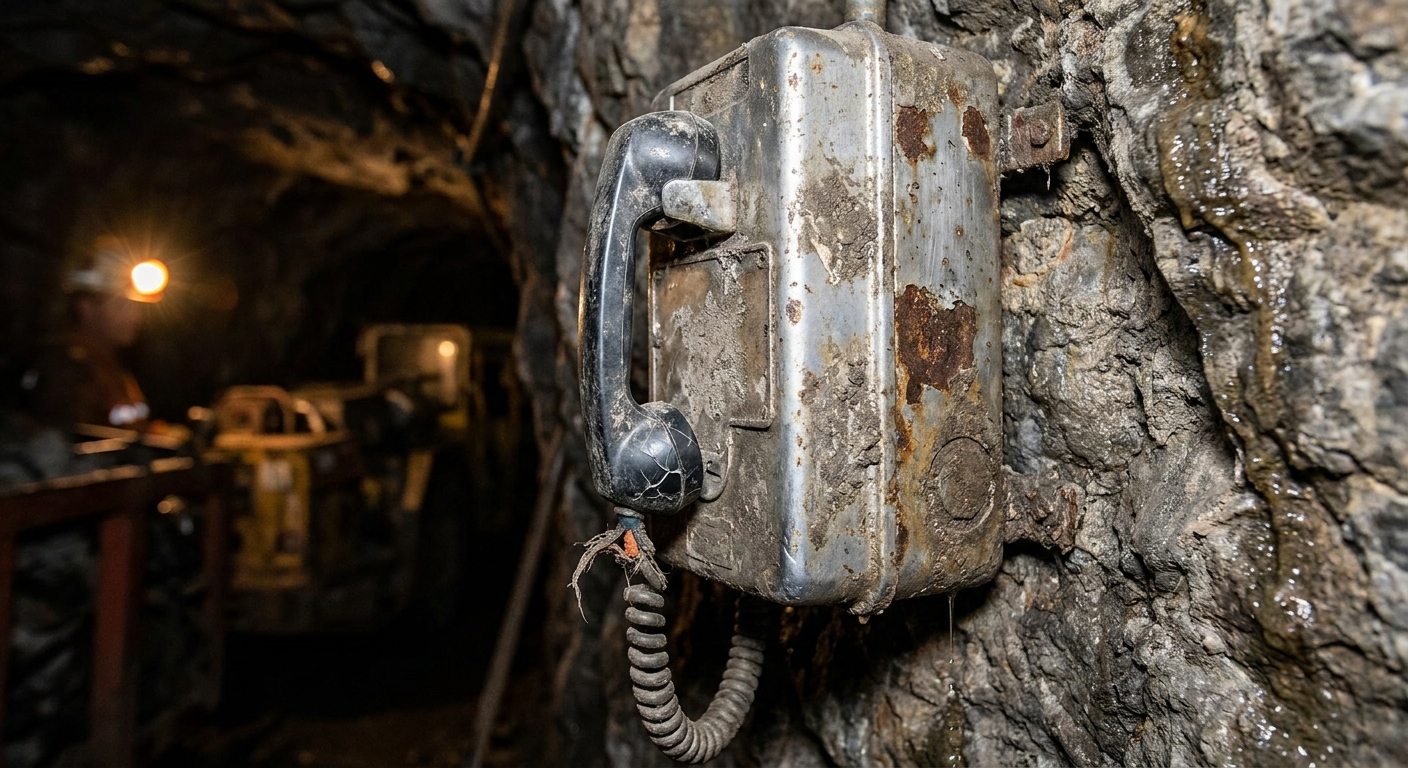
When Should Mine Page Phones Be Serviced or Replaced?
August 18, 2026
-
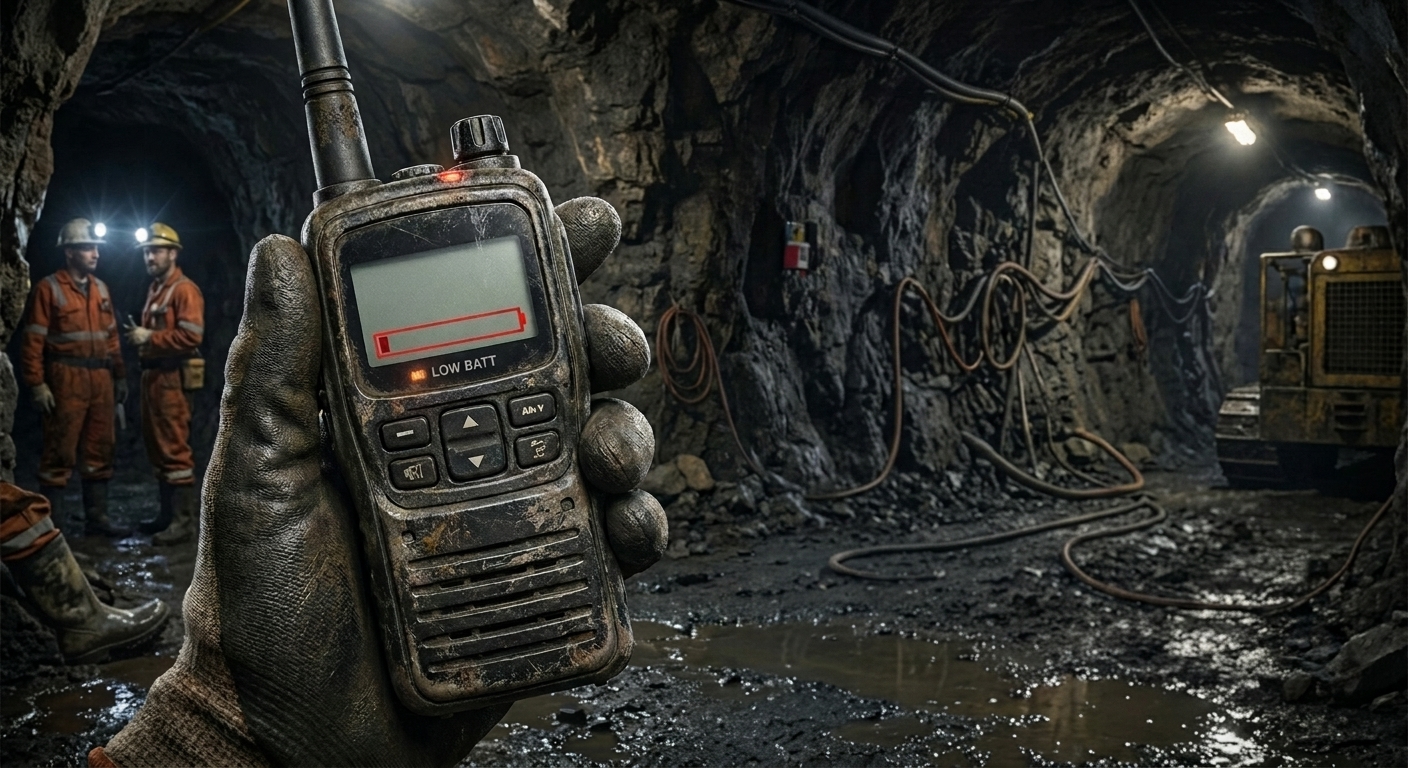
Is Your Two Way Mining Radio Losing Battery Life Fast?
August 4, 2026