

When Mine Page Phones Are a Better Choice Than Radios
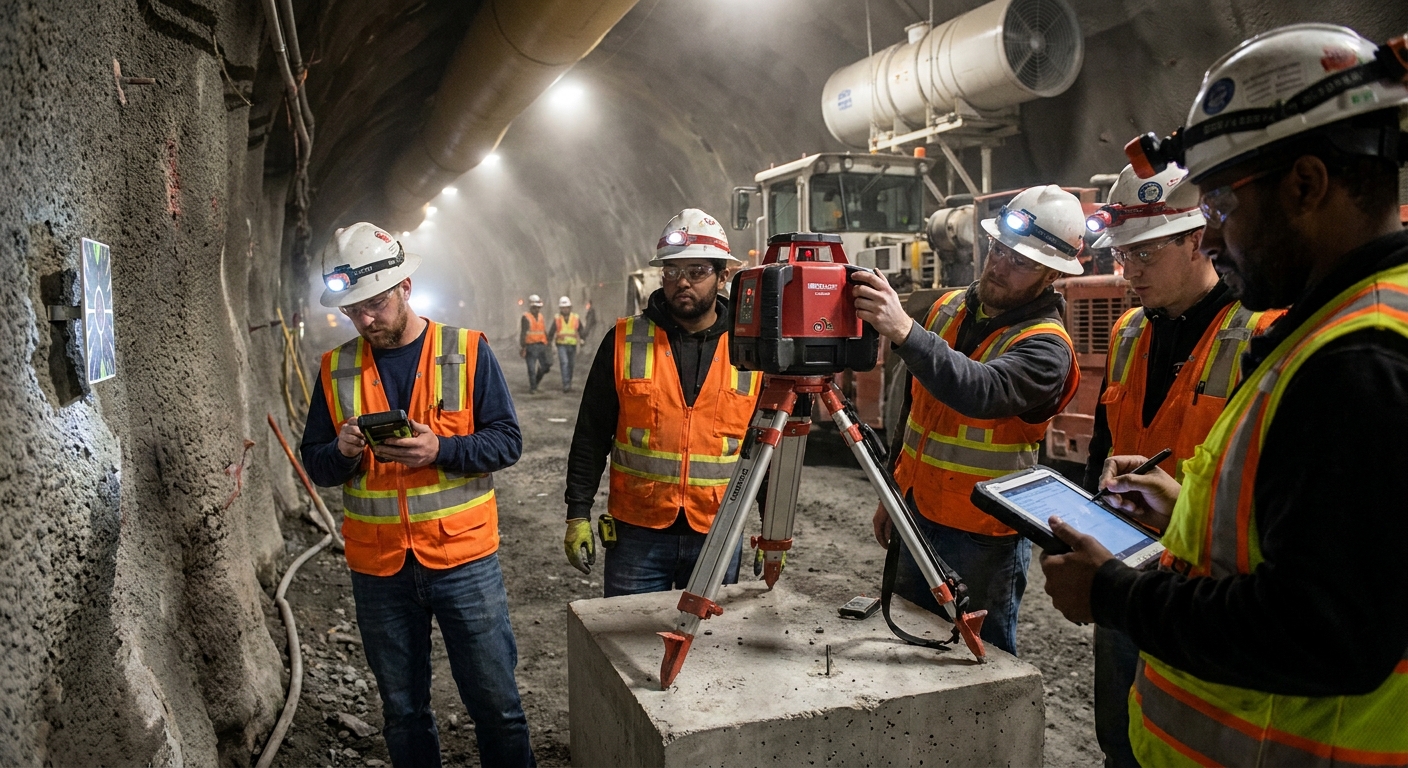
Most mine operators think communication gear is all about range and portability. Radios get the glory because they move with the crew. But underground, where signal bounce and interference turn every shift into a guessing game, hardwired systems often do the heavy lifting. Page phones don't get the same attention, yet they solve problems radios can't touch — especially when clarity and uptime matter more than mobility.
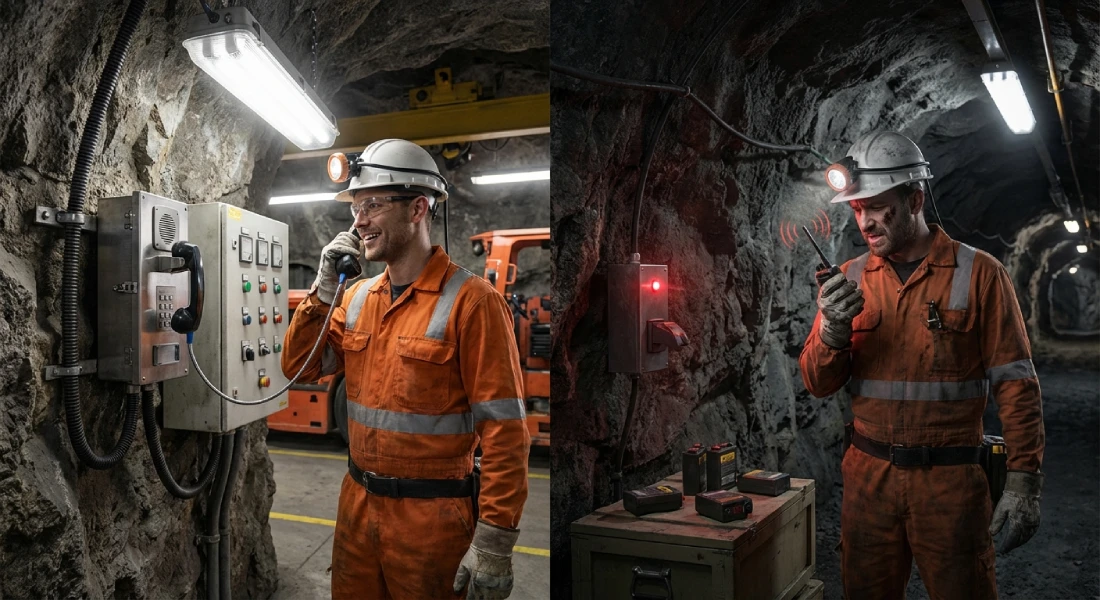
So here's the reality. If you're running operations where fixed stations handle critical coordination, page phones aren't just backup. They're the backbone. Every call should go through without static. Every emergency broadcast needs to reach every corner. And every communication decision should be grounded in what the environment demands — not just what looks good in a catalog.
Signal Interference Doesn't Play Fair
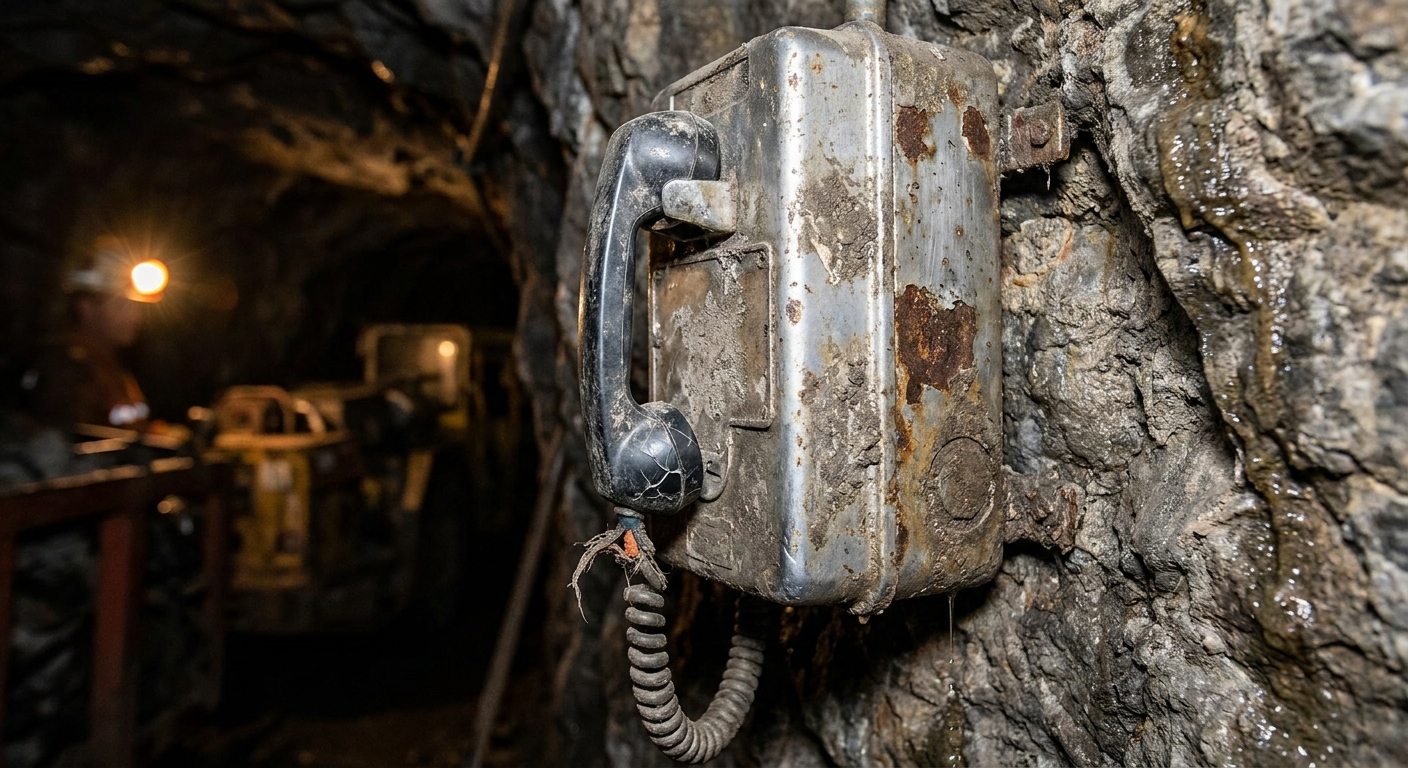
Radios work great on the surface. But drop them into a mine with metal infrastructure, geological barriers, and electromagnetic noise, and they start to struggle. Dead zones pop up. Calls drop mid-sentence. Batteries die when you need them most. Page phones bypass all of that because they're wired directly into the system.
When you're dealing with deep shafts or areas packed with equipment, a hardwired connection doesn't care about line-of-sight or signal strength. It just works. And when a crew member needs to report a hazard or coordinate a lift, that reliability isn't optional — it's the difference between smooth operations and chaos.
Emergency Broadcasts Need to Reach Everyone
Radios are great for one-on-one or small group chatter. But when an emergency hits, you can't afford to hope everyone's radio is on, charged, and within range. Page phones tie into mine-wide alarm systems, letting you broadcast to every station at once. No guessing. No delays. No wondering if the message got through.
We've seen operations where a single page phone call triggered a coordinated evacuation faster than any radio network could manage. Because when seconds count, you need a system that doesn't depend on individual devices or battery levels. You need infrastructure that's always live and always listening.
Audio Clarity Isn't Negotiable
Static-filled radio calls might be tolerable for casual check-ins. But when you're relaying safety instructions or coordinating equipment moves, garbled audio creates risk. Page phones deliver clean, consistent sound because they're not fighting interference or distance. The message comes through the first time, every time.
That clarity matters most when the stakes are high. A misheard instruction can lead to equipment damage, injuries, or worse. And in environments where noise levels are already elevated, a clear voice on the other end of the line isn't a luxury — it's a necessity.
Battery Management Is a Hidden Cost
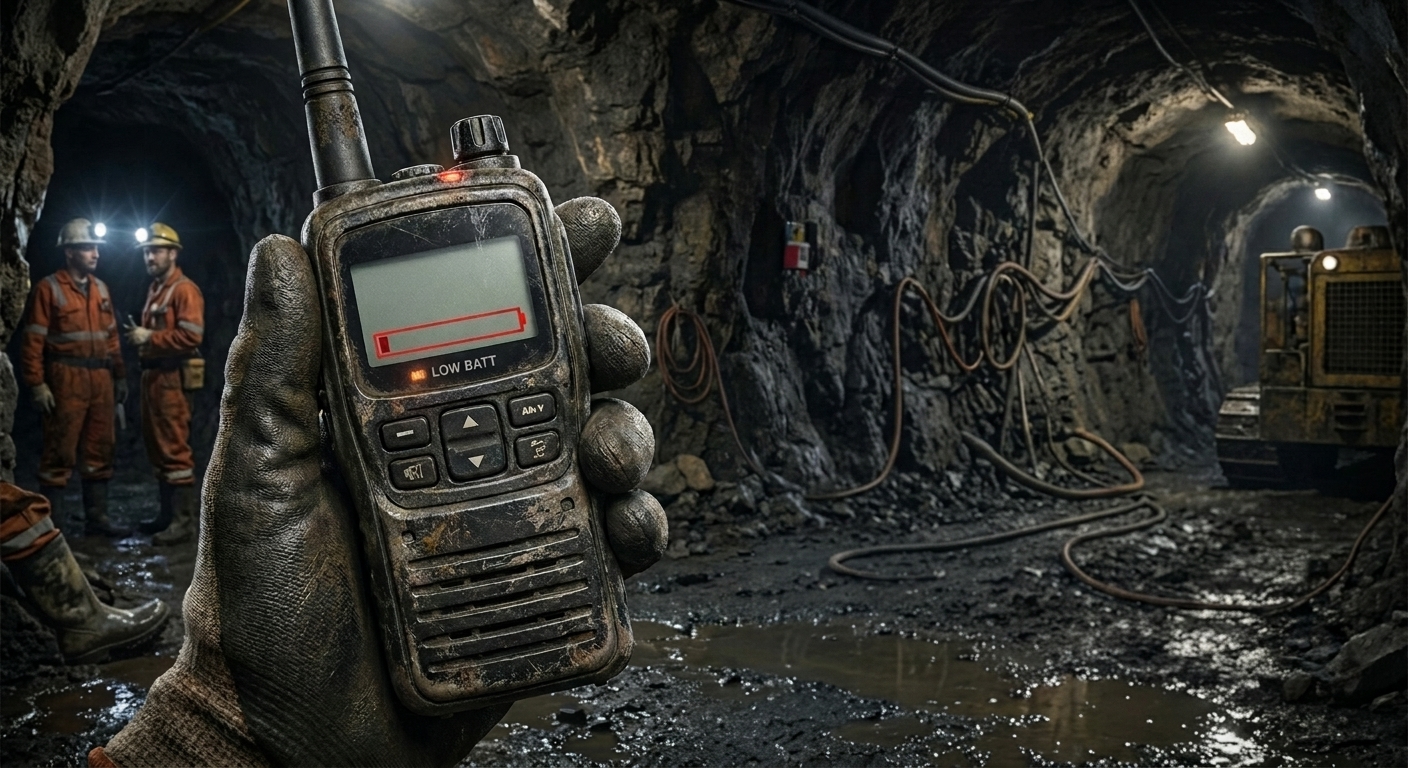
Radios need power. That means charging stations, spare batteries, and constant monitoring to make sure devices don't die mid-shift. It's a logistical headache that adds up in time and money. Page phones eliminate that entirely because they run off the mine's electrical system.
Here's what that means in practice:
- No dead batteries during critical moments
- No downtime for charging or swapping power packs
- No need to track which devices are ready and which aren't
- No risk of a worker heading underground with a low-charge radio
- No ongoing costs for battery replacements or maintenance
Centralized Control Keeps Everyone Accountable
Page phone systems tie back to a central hub where supervisors can monitor, record, and coordinate communications. That's valuable for real-time decision-making and essential for post-incident reviews. If something goes wrong, you've got a record of who said what and when.
Radios can offer similar features, but only with expensive upgrades and complex infrastructure. Page phones build that capability in from the start. And when safety audits or investigations come around, having a clear communication trail isn't just helpful — it's often required.
Fixed Locations Don't Need Mobility
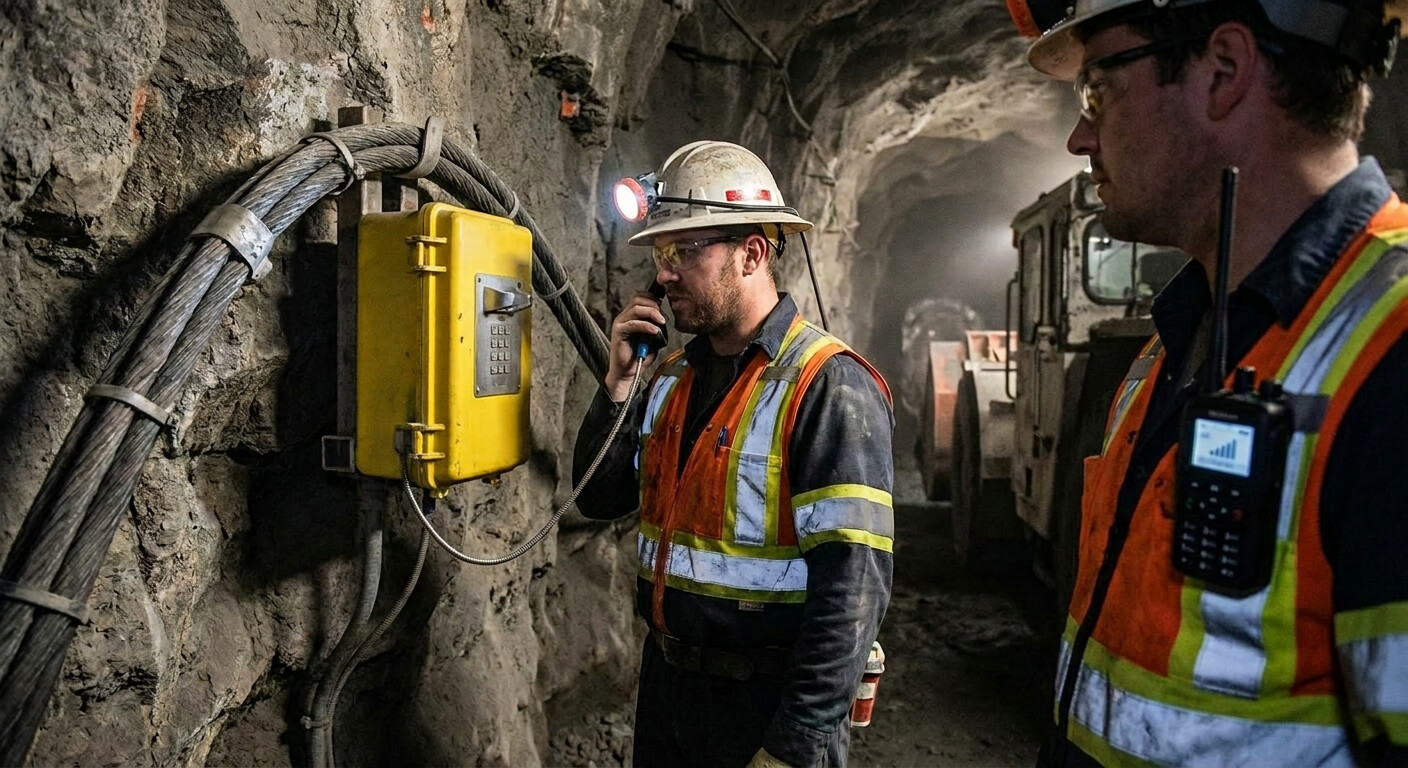
Not every worker is moving around constantly. Control rooms, maintenance bays, refuge chambers, and loading stations all benefit from permanent communication points. For those spots, page phones are the smarter investment. You're not paying for portability you don't need, and you're getting a system that's built to last.
Here's where page phones make the most sense:
- Control rooms coordinating multiple crews
- Maintenance stations handling equipment repairs
- Refuge chambers where emergency communication is critical
- Loading zones managing material flow
- Entry and exit points tracking personnel movement
Cost Efficiency for Long-Term Operations
Radios require ongoing investment. Devices wear out. Batteries degrade. Technology updates force replacements. Page phones, once installed, run for years with minimal upkeep. The infrastructure is simple, durable, and doesn't demand constant attention.
For operations planning to stay in one location for the long haul, that cost difference adds up. You're not replacing units every few years or dealing with compatibility issues when new models roll out. You're running a system that just keeps working.
Integration with Safety Systems
Page phones don't operate in isolation. They tie into broader safety networks — alarms, ventilation controls, monitoring systems. That integration creates a unified communication and response framework that radios can't match without significant customization.
When a gas detector triggers or a ventilation fan fails, the page phone system can automatically alert the right stations. That kind of automation reduces response time and removes human error from the equation. It's not just about talking — it's about building a smarter, safer operation.
When Radios Still Win
Page phones aren't the answer for every scenario. Mobile crews need radios. Workers moving between zones need portability. But for fixed communication points, emergency broadcasting, and environments where interference kills radio performance, page phones are the better tool.
Here's when radios still make sense:
- Crews moving through multiple zones during a shift
- Surface operations with clear line-of-sight
- Short-term projects where infrastructure isn't practical
- Teams needing instant peer-to-peer communication
- Operations with minimal interference or signal challenges
Documentation Backs Up Your Investment
Want to justify the cost of a page phone system? Show the data. Track downtime from radio failures. Count the hours spent managing batteries. Document the incidents where communication breakdowns caused delays or safety issues.
Here's what your case should include:
- Radio failure rates and repair costs
- Battery replacement expenses over time
- Incident reports tied to communication gaps
- Comparison of audio clarity in high-interference zones
- Projected lifespan and maintenance costs for both systems
Where Most Operations Miss the Mark
Plenty of mines default to radios because that's what everyone else uses. But copying the competition doesn't mean you're making the right call for your site. Every operation has unique challenges — geology, layout, crew size, safety protocols. The communication system should match those realities, not just follow industry trends.
Another common mistake? Treating communication as an afterthought. It's not just about having devices. It's about building a system that supports your workflow, protects your people, and scales with your operation. That requires planning, not just purchasing.
Picking the Right System for Your Site
Radios and page phones aren't competitors — they're complementary. The best operations use both, deploying each where it performs best. Mobile crews get radios. Fixed stations get page phones. Emergency systems tie them together. That's how you build communication infrastructure that actually works.
If you're evaluating your current setup, ask the hard questions. Where are the dead zones? When do calls drop? How often do batteries fail at the worst possible moment? And most importantly — what would happen if your communication system went down during an emergency? The answers will tell you whether it's time to rethink your approach.
Building Systems That Last
Communication gear isn't glamorous. It doesn't boost production numbers or cut costs overnight. But it's the foundation everything else sits on. When your crew can't talk to each other, nothing else matters. And when the system fails, the consequences ripple through every part of the operation.
Page phones offer something radios can't — permanence. They're not perfect for every situation, but for the places where they fit, they deliver reliability that mobile devices struggle to match. And in an industry where downtime and safety incidents carry real weight, that reliability isn't just nice to have. It's essential.
Let’s Strengthen Your Mine’s Communication
We know that every mining operation faces unique challenges, and reliable communication is the backbone of safety and productivity. If you’re ready to upgrade your system or want expert advice on the best solution for your site, let’s talk it through together. Call us at 800-523-1579 or contact us today to get started on building a safer, more connected operation.
‹ Back
Recent Posts
-
Can One Two-Way Radio System Cover Multiple Farms & Fields?
September 15, 2026
-

Do Farms Need an FCC License for Two-Way Radios?
September 1, 2026
-
When Should Mine Page Phones Be Serviced or Replaced?
August 18, 2026
-
Is Your Two Way Mining Radio Losing Battery Life Fast?
August 4, 2026
-