


Signs Your Mining Radios May Need Professional Repair
Most mining operations treat radios like they're indestructible. Toss them in a truck, clip them to a belt, run them through dust and heat until they quit. But radios don't just stop working overnight. They give warnings. Static creeps in. Batteries die faster. Signals drop in places they never used to. And if you're ignoring those signs, you're gambling with safety and uptime.
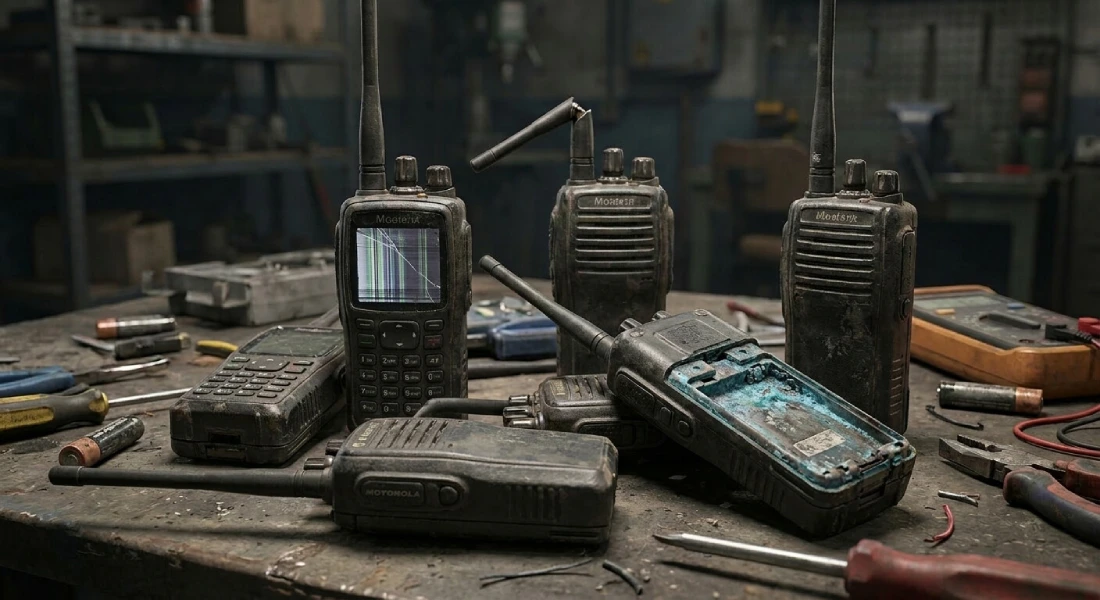
The truth is, mining radios take a beating. They're built tough, but they're not invincible. Every shift in the pit, every drop on concrete, every hour in moisture or extreme temps adds up. When performance starts slipping, it's not bad luck. It's wear. And the longer you wait to address it, the more expensive the fix becomes — or worse, the more dangerous the job site gets.
Audio Starts Breaking Up
Clear communication isn't a luxury underground. It's the baseline. So when your radios start crackling, cutting out, or sounding like they're underwater, that's not something you brush off. It could be a blown speaker. It could be a damaged mic. It could be internal corrosion eating away at the circuitry. Whatever it is, it's not going to fix itself.
We've seen crews try to work around bad audio by yelling into the handset or repeating every message twice. That's not a workaround. That's a liability. If the sound quality is inconsistent or garbled, and a quick cleaning doesn't solve it, the radio needs professional attention. Period.
Signal Drops Where It Shouldn't
Mining sites are tough on RF signals. We get that. But if your radios are losing connection in areas where they've always worked fine, something's changed. Maybe the antenna took a hit. Maybe the internal components are failing. Maybe the battery isn't supplying enough power to maintain a strong transmission.
Intermittent signal loss isn't just annoying. It's dangerous. When a crew member can't reach dispatch or another team, response times stretch. Coordination falls apart. And in an emergency, that gap can cost lives. If your radios are dropping out more often than they used to, don't assume it's the environment. Get them checked.
Batteries Die Faster Than They Should
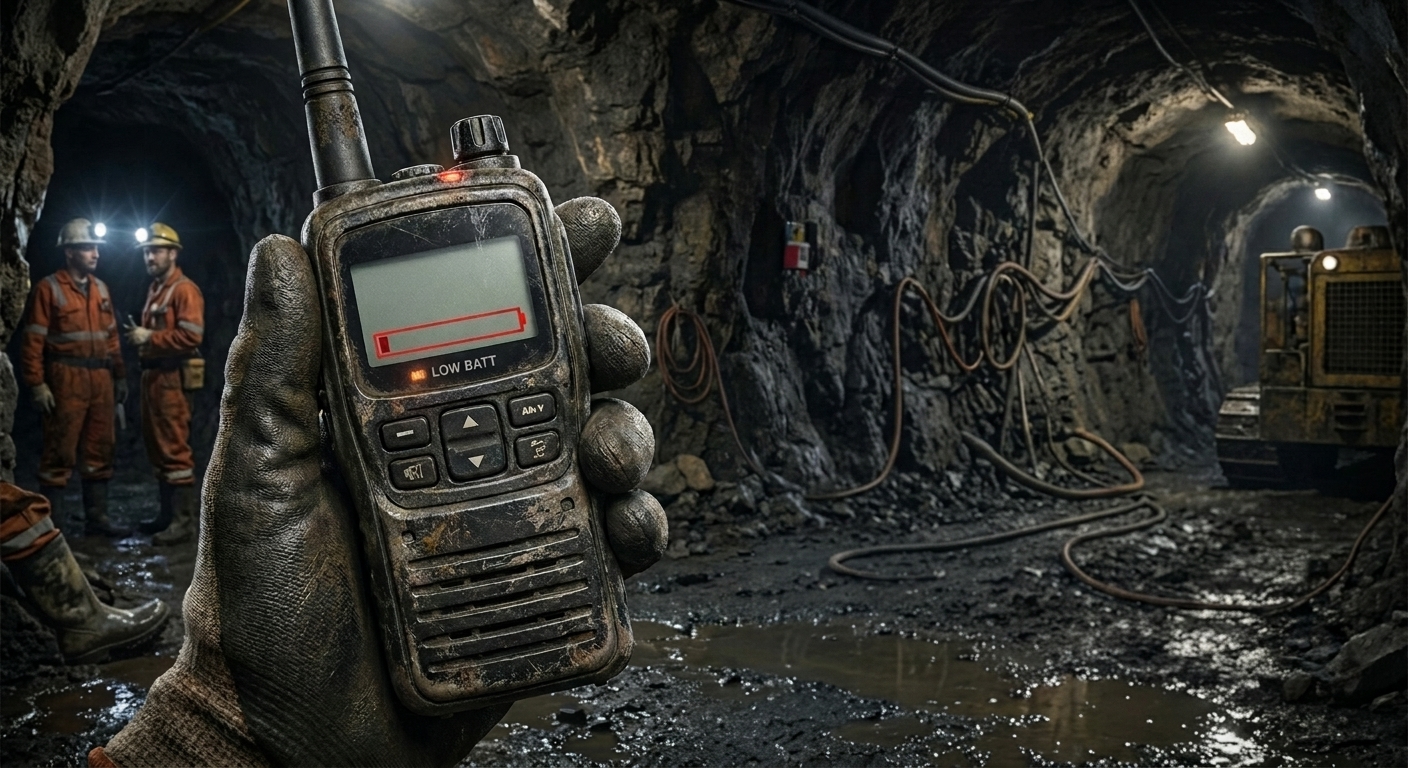
Batteries wear out. That's normal. But if a radio that used to last a full shift is now dying halfway through, something's off. Maybe the battery itself is shot. Maybe the charging contacts are corroded. Maybe there's a power drain somewhere in the unit that's sucking juice faster than it should.
Swapping in a fresh battery is easy. But if the new one doesn't hold up either, the problem isn't the battery. It's the radio. And continuing to use a unit that can't stay powered is a recipe for dead air when you need it most. A tech can diagnose whether it's a charging issue, a circuit problem, or something else entirely.
Physical Damage You Can See
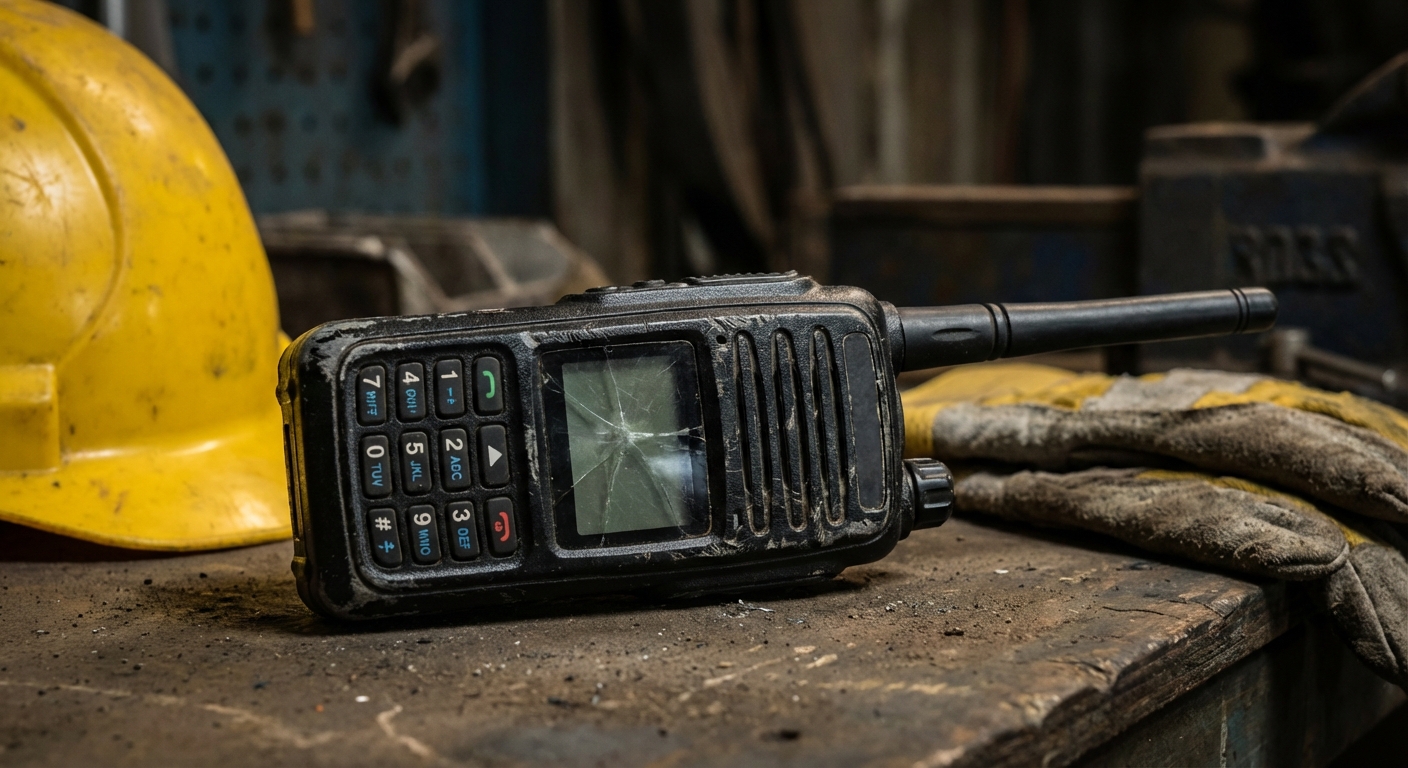
Cracked housings. Broken clips. Shattered screens. If your radio looks like it went through a rock crusher, it probably needs more than a wipe-down. Even if it still powers on, internal damage could be lurking. A hairline crack in the casing can let in dust and moisture. A busted button might work now, but it won't for long.
Mining radios are built to handle abuse, but they're not immortal. Visible damage is a sign that the unit has been compromised. And if you're relying on compromised equipment in a high-risk environment, you're playing with fire. A professional can assess whether the damage is cosmetic or if it's affecting performance in ways you can't see.
Transmit or Receive Just Stops Working
A radio that can't send or receive is a paperweight. If the push-to-talk button isn't responding, or if you're hearing nothing when others transmit, the radio is out of commission. This could be a wiring issue. It could be a software glitch. It could be a failed component deep inside the unit.
Trying to troubleshoot this yourself is risky. You might make it worse. You might void a warranty. Or you might waste time on a fix that doesn't stick. A qualified technician can pinpoint the failure and get the radio back in service — or tell you it's time to replace it.
The Unit Runs Hot
Radios generate some heat during use. That's normal. But if a unit is getting hot enough to be uncomfortable to hold, or if it's overheating during charging, that's a red flag. Overheating can indicate a failing battery, a short circuit, or a problem with the internal power management.
In a mining environment, where flammable dust or gases might be present, an overheating radio isn't just a performance issue. It's a safety hazard. If you notice excessive heat, pull the radio from service and have it inspected. Don't wait for it to fail completely — or worse, to cause an incident.
Software Glitches or Programming Errors
Modern mining radios aren't just hardware. They're programmable devices with firmware, channel settings, and digital displays. If you're seeing error codes, frozen screens, or channels that won't load, the software side might be corrupted. This can happen after a firmware update, a power surge, or just from prolonged use in harsh conditions.
Reprogramming a radio isn't always straightforward. It requires the right tools, the right software, and the right knowledge. A professional repair service can reload firmware, reconfigure settings, and test the unit to make sure it's back to spec. Trying to DIY this without experience can brick the radio entirely.
Waiting Costs More Than Fixing
Every day you run radios that aren't performing is a day you're risking miscommunication, downtime, or worse. Repairs aren't just about saving a piece of equipment. They're about keeping your operation safe and efficient. A radio that cuts out at the wrong moment can delay a haul, miss a hazard warning, or leave a worker stranded without backup.
Professional repair services can extend the life of your radios, restore full functionality, and catch problems before they cascade. And in most cases, a repair is a fraction of the cost of a replacement. But only if you act before the damage becomes irreversible.
What a Pro Brings to the Table
When you hand a radio to a qualified technician, you're not just getting a quick fix. You're getting a diagnostic process that identifies root causes, not just symptoms. They'll test the battery, inspect the circuitry, check the antenna, and verify the software. They'll tell you what's salvageable and what's not. And they'll document the work so you have a record for compliance or warranty purposes.
Here's what a professional repair typically includes:
- Full diagnostic testing of all radio functions
- Inspection of internal and external components
- Cleaning of contacts, ports, and circuitry
- Replacement of damaged or worn parts
- Firmware updates and reprogramming as needed
- Performance testing to ensure the unit meets spec
That's not something you can replicate with a screwdriver and a YouTube video. And when lives are on the line, it's not something you should try.
When to Pull the Trigger
If you're seeing any of these signs, don't wait for the radio to die completely. Schedule a repair. Get a quote. Find out what's wrong before it becomes a bigger problem. Most repair services can turn around a unit in a few days, and many offer loaner radios so you're not left without coverage.
Here's when you should act immediately:
- Audio quality is degraded and cleaning doesn't help
- Signal drops are frequent and unexplained
- Battery life has dropped significantly with new batteries
- Physical damage is visible or suspected
- Transmit or receive functions are failing
- The unit overheats during use or charging
- Software errors or programming issues persist
Any one of these is enough to justify a service call. Multiple signs? You're already overdue.
Keeping Your Fleet in Fighting Shape
Mining radios aren't disposable. They're investments. And like any investment, they need maintenance. Regular inspections, timely repairs, and a relationship with a trusted service provider can keep your fleet running strong for years. But only if you're paying attention to the warning signs and acting on them before they turn into failures.
We've worked with operations that treat radios like consumables — run them until they die, then replace them. And we've worked with operations that maintain their equipment proactively and get twice the lifespan out of every unit. The difference isn't the radios. It's the approach. If you're serious about uptime and safety, you don't wait for a breakdown. You catch the problems early, fix them right, and keep your team connected when it counts. For more information on Kenwood and Motorola radios or to explore our full range of products, reach out today.
Let’s Keep Your Team Connected
Reliable communication is the backbone of every safe and productive mining operation. If your radios are showing any of these warning signs, let’s address the issue before it impacts your crew or your bottom line. We’re here to help you get back to clear, dependable communication—fast. Call us at 800-523-1579 or contact us today to get your radios back in top shape.
‹ Back
Recent Posts
-
Two-Way Radios vs. Cell Phones - Which Is Better for Farm Communication?
September 29, 2026
-

Can One Two-Way Radio System Cover Multiple Farms & Fields?
September 15, 2026
-

Do Farms Need an FCC License for Two-Way Radios?
September 1, 2026
-
When Should Mine Page Phones Be Serviced or Replaced?
August 18, 2026
-
Is Your Two Way Mining Radio Losing Battery Life Fast?
August 4, 2026