


Do Atmospheric Monitors in Mines Need Routine Calibration?
Most mining operations treat atmospheric monitors like static equipment. Install them, trust them, and move on. But sensors don't stay sharp forever—and in underground environments, a drifting detector isn't just inaccurate, it's dangerous. Whether you're tracking methane buildup, oxygen depletion, or carbon monoxide levels, your monitors need to deliver precise readings every single time. If they don't, you're gambling with lives and regulatory compliance.
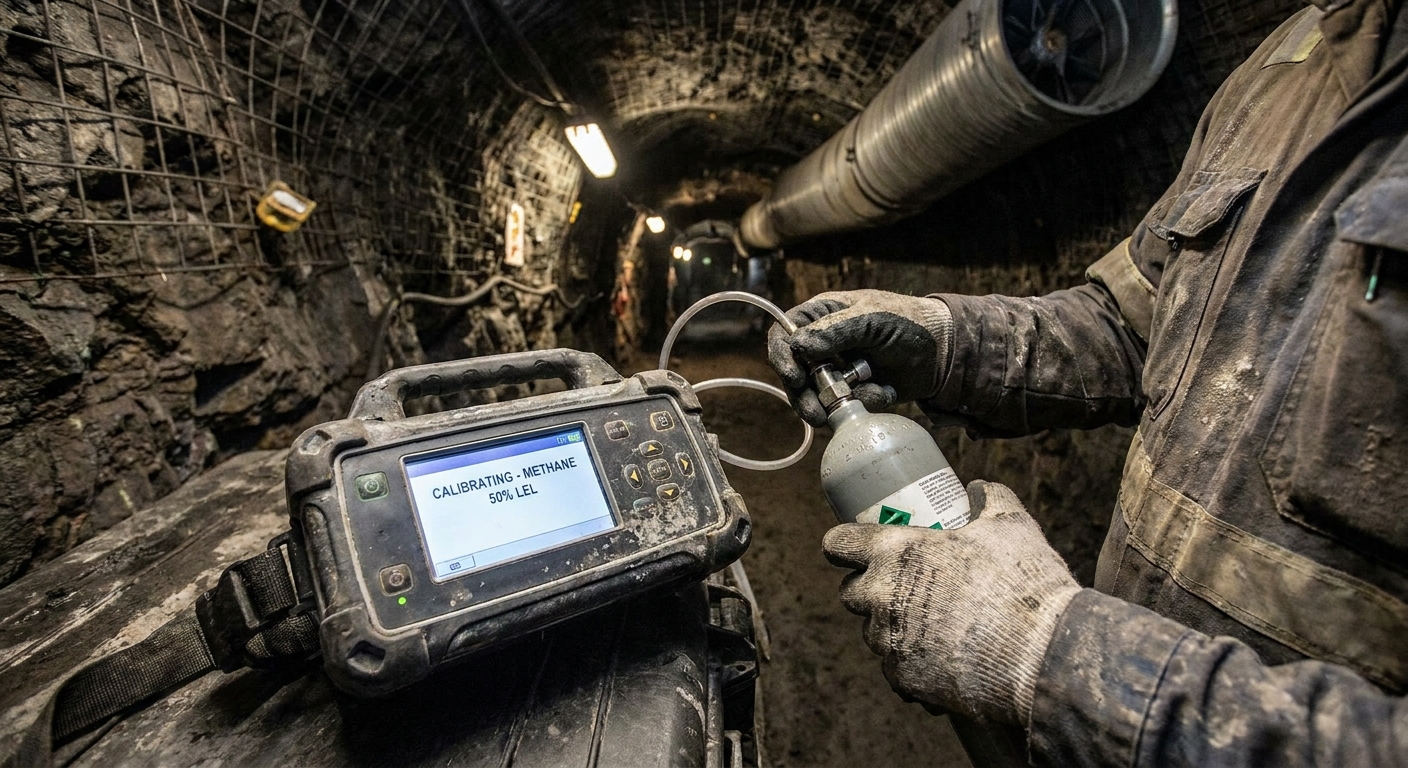
So here's what we know. Gas detection systems are only as reliable as the calibration schedules behind them. Every sensor has a shelf life. Every exposure to dust, moisture, or temperature swings degrades performance. And every skipped calibration increases the odds that a silent hazard goes undetected. The monitors are there to protect your crew—but only if they're dialed in and verified regularly.
Sensors Drift Whether You Notice or Not
Even the best atmospheric monitors lose accuracy over time. It's not a question of quality—it's physics. Sensors age. Chemical reactions inside the detection cells shift. Exposure to contaminants throws off baselines. What started as a perfectly calibrated device can, after weeks or months underground, begin reporting false negatives or triggering unnecessary alarms.
And here's the thing: drift doesn't announce itself. There's no warning light that says "your methane sensor is now reading 15% low." The only way to catch it is through intentional, scheduled verification. Skip that step, and you're flying blind without realizing it.
Underground Conditions Accelerate Degradation
Mines aren't climate-controlled offices. They're hostile environments where equipment takes a beating. Temperature swings, high humidity, airborne particulates, vibration from machinery—all of it chips away at sensor performance. What might hold calibration for months in a lab can slip in weeks below ground.
We've seen operations lose confidence in their monitors because readings seemed erratic. Nine times out of ten, it wasn't a faulty unit—it was environmental wear that hadn't been accounted for. The solution isn't better equipment. It's tighter maintenance windows and calibration that reflects real-world conditions, not manufacturer ideals. Choosing the right atmospheric monitoring system starts with understanding how harsh conditions impact sensor longevity.
Regulations Don't Leave Wiggle Room
Most jurisdictions don't treat calibration as optional. Mining safety regulations demand documented verification at set intervals, and enforcement agencies aren't known for leniency. Fail to keep records, miss a calibration cycle, or operate with uncertified equipment, and you're looking at fines, shutdowns, or worse.
Compliance isn't just paperwork—it's proof that you're doing the work to keep your crew safe. When inspectors show up, they'll want to see calibration logs, bump test results, and evidence that your monitors are current. If you can't produce that documentation, the conversation gets uncomfortable fast.
What Calibration Actually Involves
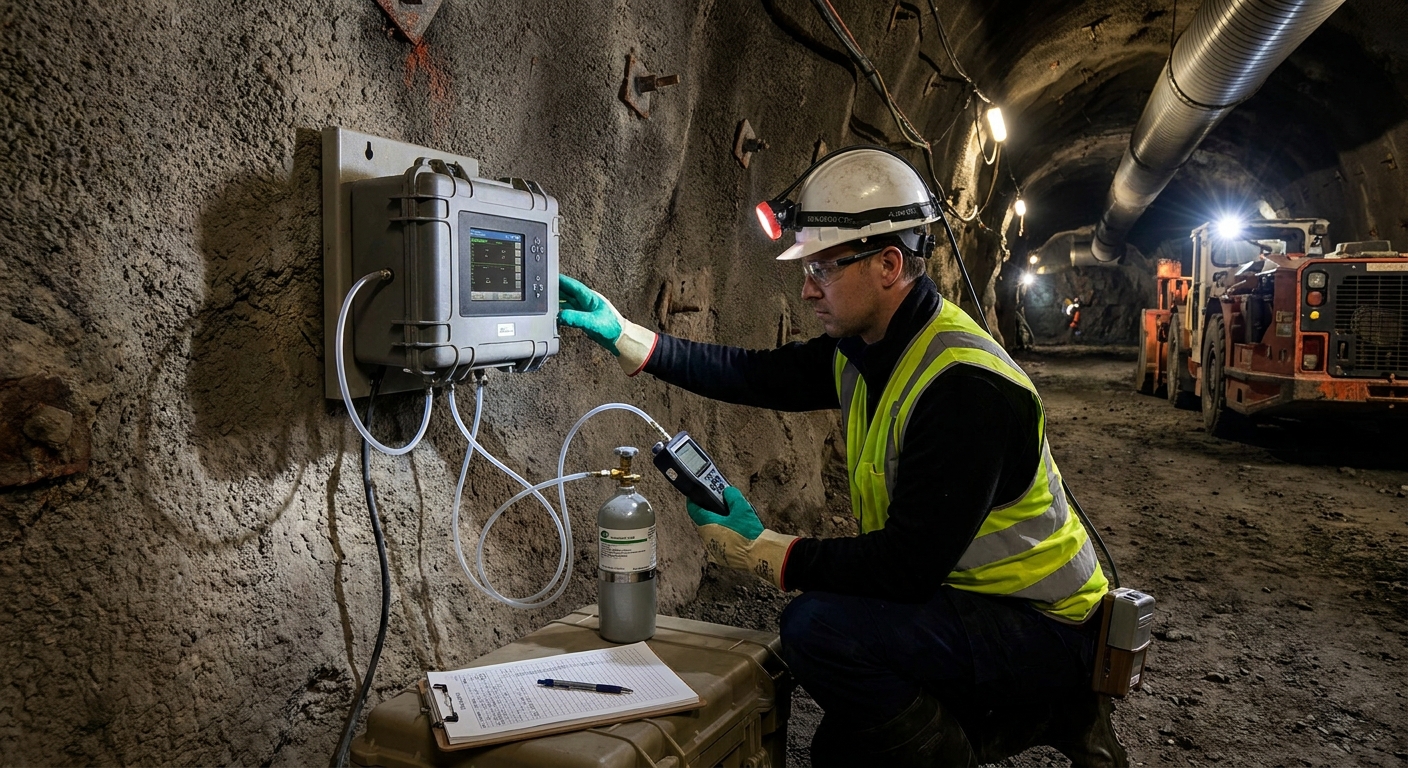
Calibration isn't complicated, but it does require precision. You expose the sensor to a known concentration of target gas—methane, hydrogen sulfide, whatever the unit is designed to detect—and verify the reading matches. If it's off, you adjust until it's accurate. If it can't be adjusted, the sensor gets replaced.
Bump tests are different. They're quick checks to confirm the monitor responds at all. Think of it as a functional test before deployment. If the unit doesn't alarm when exposed to gas, it fails the bump test and goes back for full calibration. Here's how we recommend structuring your approach:
- Run bump tests before every shift where the monitor will be used
- Perform full calibration at least monthly, or more often in harsh conditions
- Use certified calibration gases that match your target detection range
- Log every test with date, technician name, and results
- Replace sensors that repeatedly fail calibration or show unstable readings
Frequency Depends on Risk and Environment
Standard practice calls for monthly calibration. That's a baseline, not a ceiling. High-risk zones, extreme conditions, or equipment that's been flagged for drift—all of those scenarios justify tighter intervals. Some operations calibrate weekly. Others do it after every major use cycle.
The real question isn't "how often does the manual say?" It's "how much margin for error can we afford?" In mining, that margin is slim. One missed methane pocket, one oxygen-deficient zone that goes undetected—those aren't hypotheticals. They're career-ending incidents waiting to happen.
Documentation Backs Up Everything
Want to prove your monitors are reliable? Show the records. Every calibration should be logged with:
- Date and time of the calibration
- Name of the technician who performed it
- Calibration gas used, including lot number and expiration date
- Pre-calibration and post-calibration readings
- Any adjustments made or sensors replaced
If an incident occurs and your monitors are questioned, this documentation is your first line of defense. Without it, even a perfectly maintained system looks negligent. Keep everything organized, accessible, and up to date.
Where Most Operations Fall Short
We see the same mistakes over and over. Some are innocent oversights. Others are corner-cutting that backfires. Here's what trips up even experienced teams:
- Assuming monitors are good until they break: Sensors fail gradually, not suddenly. Waiting for obvious malfunction means you've already been operating with bad data.
- Using expired calibration gases: Gas standards have shelf lives. Expired gases give you false confidence in a flawed calibration.
- Skipping bump tests: Full calibration is useless if the monitor won't alarm when it matters. Bump tests catch functional failures before deployment.
- Inconsistent record-keeping: Spotty logs create compliance gaps. If you can't prove calibration happened, regulators assume it didn't.
- Relying on one person: If only one technician knows how to calibrate, you're one sick day away from a lapsed schedule. Cross-train your team.
Who Should Handle Calibration
Calibration isn't rocket science, but it's not a task for untrained personnel either. You need someone who understands the equipment, follows procedures exactly, and recognizes when a sensor is beyond adjustment. Most mines assign this to dedicated safety techs or instrument specialists.
If your team lacks the bandwidth or expertise, third-party calibration services exist. They'll handle the testing, provide certified documentation, and flag units that need repair. It's an outsourced solution that works, but only if you're disciplined about scheduling and tracking. Understanding how electronic repairs extend equipment life can help you decide when to maintain versus replace critical detection systems.
Monitors Save Lives Only When They Work
Atmospheric monitors are non-negotiable in modern mining. But their value hinges entirely on their accuracy, and accuracy degrades without intervention. Calibration isn't busywork—it's the maintenance that keeps your detection system functional, your crew protected, and your operation compliant. Ignore it, and you're not just risking fines. You're risking lives.
We've spent years helping mining operations refine their safety protocols, and the pattern is clear: the companies that prioritize routine calibration are the ones that avoid catastrophic failures. It's not glamorous work. It's methodical, repetitive, and easy to defer. But it's also the difference between a monitor that alerts your crew and one that lets danger slip through unnoticed. For more insights on mining safety equipment preventing accidents, our specialized approach to electronic safety equipment features, and how electronic systems mitigate mining risks, we continue to support operations with reliable safety products designed for the toughest environments.
Let’s Keep Your Mine Safer Together
We know that routine calibration is the backbone of a safe mining operation, and we’re here to help you stay ahead of hazards before they become emergencies. If you want confidence that your atmospheric monitors are always accurate and compliant, let’s talk about a calibration plan that fits your needs. Call us at 800-523-1579 or contact us today to get started on a safer path forward.
‹ Back
Recent Posts
-
Two-Way Radios vs. Cell Phones - Which Is Better for Farm Communication?
September 29, 2026
-
Can One Two-Way Radio System Cover Multiple Farms & Fields?
September 15, 2026
-
Do Farms Need an FCC License for Two-Way Radios?
September 1, 2026
-
When Should Mine Page Phones Be Serviced or Replaced?
August 18, 2026
-
Is Your Two Way Mining Radio Losing Battery Life Fast?
August 4, 2026