


Do Farms Need an FCC License for Two-Way Radios?
Most farmers think two-way radios are plug-and-play. Buy the equipment, hand out the units, start talking. But the FCC sees it differently — and if you're not paying attention, you're operating in a gray area that could cost you. Radios aren't just tools. They're regulated devices tied to specific frequencies, power limits, and licensing requirements that change depending on what you buy and how you use it.
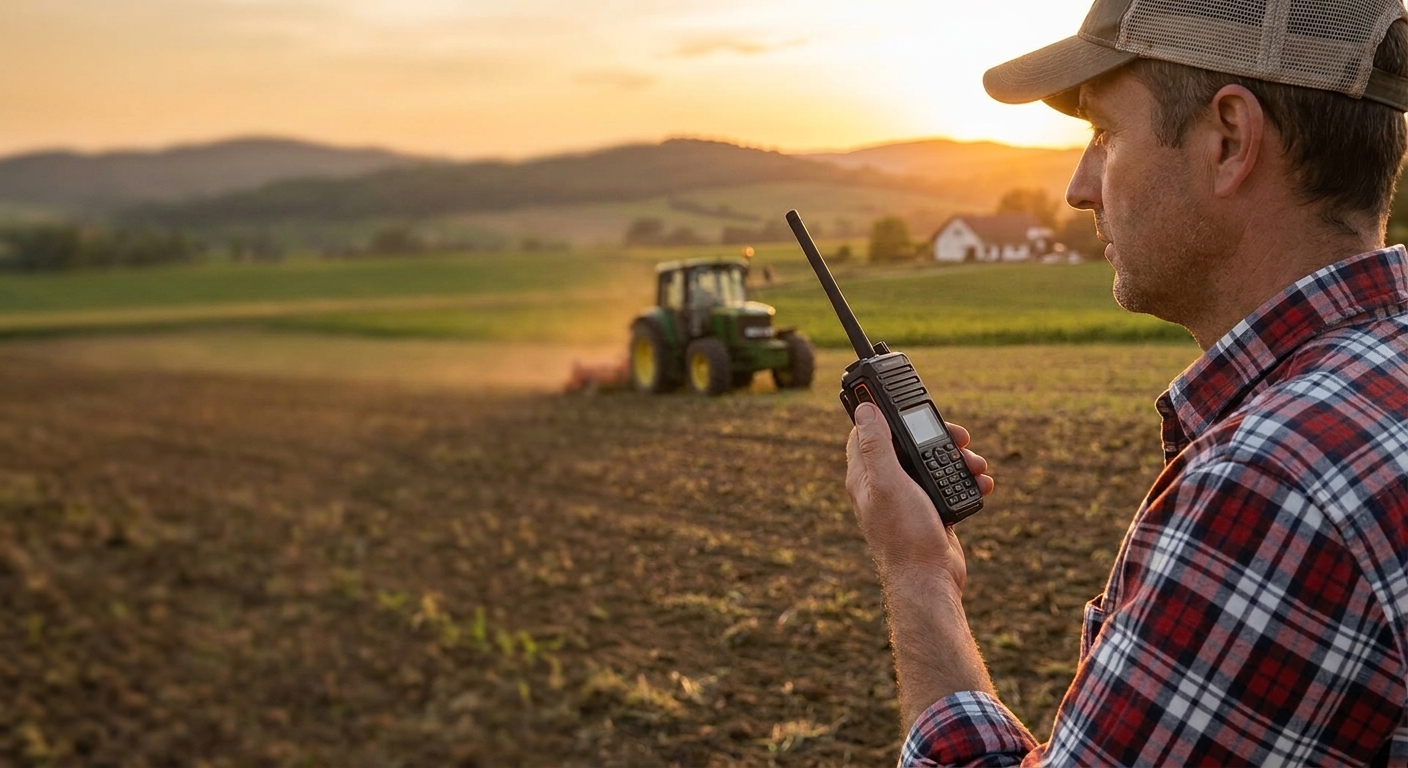
The short answer? Some radios require a license. Others don't. The deciding factor isn't whether you're running a farm — it's which frequency band you're transmitting on and who's holding the device. Get it wrong, and you're not just risking interference. You're risking fines, confiscated gear, and disrupted operations when the FCC decides to investigate.
What the FCC Actually Regulates
Two-way radios operate across a spectrum of frequencies, and the FCC controls who gets to use which slice of that spectrum. Some bands are wide open for public use. Others are reserved for licensed operators only. The rules exist to prevent chaos — without them, everyone from emergency responders to logistics companies would be stepping on each other's signals.
Farms fall somewhere in the middle. You're not a public safety agency, but you're also not just a hobbyist chatting on a weekend hike. Your communication needs are commercial in nature, even if your operation is family-run. That distinction matters when it comes to choosing equipment and understanding what's legal.
The Radios That Don't Require a License
If you want to skip the paperwork, there are options. Certain radio types operate on frequencies designated for unlicensed use. They're limited in range and power, but for smaller farms or short-distance coordination, they can get the job done without involving the FCC.
Here's what you can use without a license:
- Family Radio Service units: These operate on 22 channels in the UHF range and max out at 2 watts. Range is typically one to two miles, depending on terrain. No license needed, no fees, no registration.
- Citizens Band radios: CB operates on 40 channels around 27 MHz. It's license-free, but the technology is older and more prone to interference. Most farms have moved on from CB for daily operations.
- Multi-Use Radio Service devices: MURS uses five VHF channels and allows up to 2 watts. It's less common than FRS but offers slightly better range in open areas. Still unlicensed.
Where Licensing Becomes Mandatory
Once you step beyond the basics — more power, greater range, repeater access — you're moving into licensed territory. The FCC doesn't hand out these frequencies to just anyone. You have to apply, justify your need, and agree to follow the rules tied to that license.
Two main services require licensing for farms:
- General Mobile Radio Service: GMRS radios can push up to 50 watts and use repeaters for extended coverage. They require an FCC license, but it's issued to individuals and their immediate family — not your crew or employees. That's a problem if you're trying to coordinate hired labor.
- Business Band frequencies under Part 90: These are commercial-grade radios built for rugged use and high output. They operate on frequencies reserved for business and industrial applications. The license goes to the farm itself, covering all employees who use the equipment. This is the route most serious agricultural operations take.
Why the FCC Cares Who Transmits
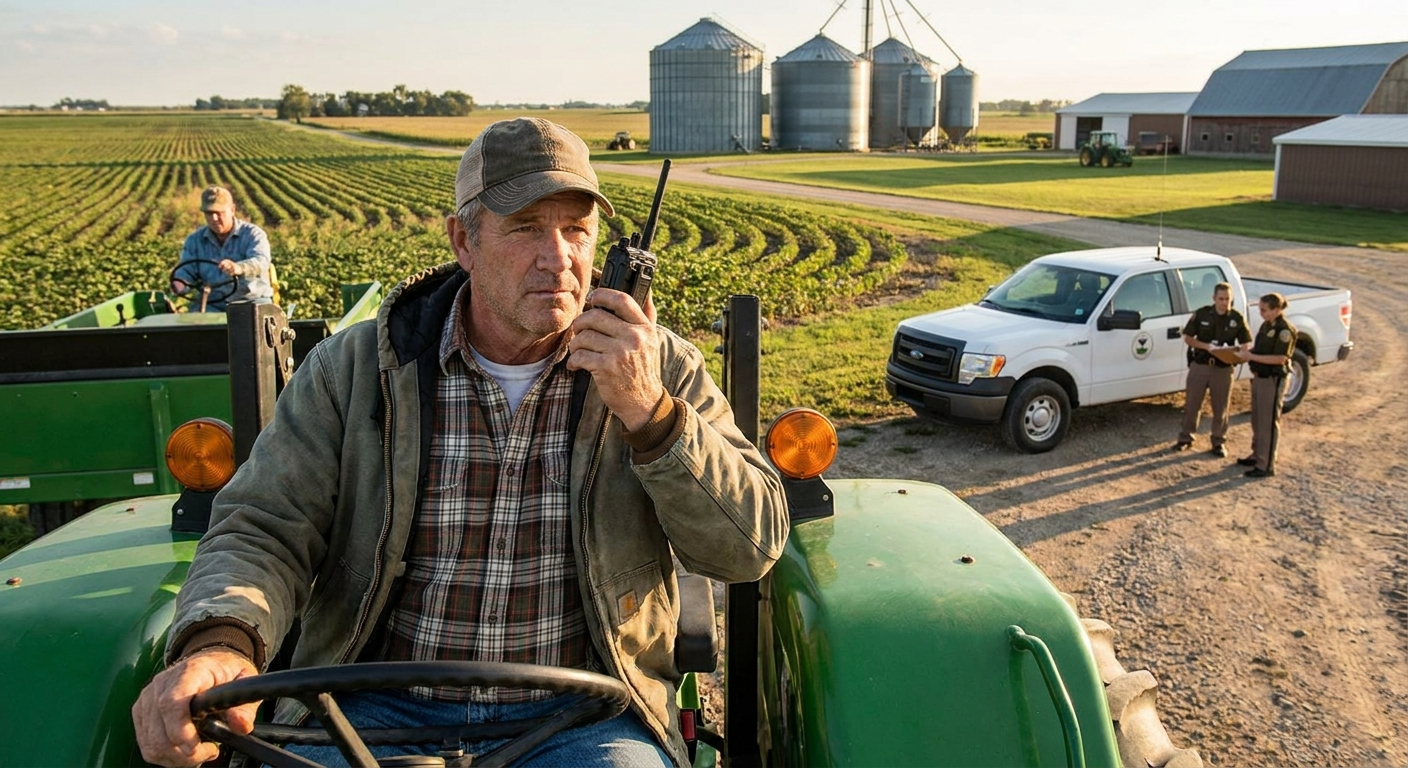
Operating without a license isn't a technicality the FCC overlooks. Unauthorized transmissions can interfere with emergency services, aviation communication, or other licensed users. When interference complaints come in, the FCC investigates — and they have the tools to track down the source.
Penalties aren't theoretical. Equipment gets confiscated. Fines get issued. And if your farm caused interference that impacted public safety, the consequences escalate fast. Licensing isn't bureaucracy for its own sake. It's the system that keeps critical communications clear.
How to Apply Without the Headache
Getting licensed isn't as painful as it sounds. For GMRS, you fill out an online application through the FCC's Universal Licensing System, pay a fee, and you're done. No test, no technical knowledge required. The license lasts ten years.
Business band licenses take a bit more work. You'll need to specify:
- The number of radios you're deploying
- The geographic area you'll be operating in
- The frequencies you want to use
- Whether you plan to use repeaters or mobile units
Most farms work with a frequency coordinator or radio dealer to handle the application. They'll identify available frequencies in your area and submit the paperwork on your behalf. It's worth the cost to avoid mistakes that delay approval or force you to reapply.
What Happens If You Skip the License
Some farms assume they can fly under the radar. Small operation, rural area, low risk of detection. Maybe that works for a while. But when it doesn't, the consequences aren't worth the gamble.
Here's what you're risking:
- Interference complaints from other users or services
- FCC field investigations and equipment seizures
- Fines starting in the thousands and climbing based on severity
- Loss of communication capability during critical planting or harvest windows
- Legal liability if your transmissions disrupt emergency or public safety channels
Picking the Right System for Your Operation
Not every farm needs a licensed system. If you're running a small operation with minimal acreage and a tight crew, FRS radios might cover your needs without the licensing burden. But if you're managing multiple teams across hundreds of acres, dealing with livestock movement, or coordinating equipment across distant fields, you need something more robust.
Business band radios offer durability, range, and the legal framework to put devices in the hands of every employee. GMRS works if it's just family members communicating. FRS is fine for light-duty, close-range tasks. When selecting equipment, understanding the key differences between Kenwood and Motorola radios can help match the tool to the scale of your operation and the complexity of your communication needs.
Compliance Isn't Optional
Radios are essential on modern farms. They speed up coordination, improve safety, and reduce downtime. But using them legally means understanding the rules and following through with the right license when it's required. The FCC doesn't care if you're a small family farm or a large commercial operation — unauthorized use is unauthorized use. Investing in Kenwood radios or other Motorola solutions ensures you have reliable, compliant communication systems built for demanding work environments.
At BusinessCapital.com, we help agricultural businesses operate smarter, whether that means securing funding for new equipment or navigating the regulatory requirements that come with scaling up. If you're planning to invest in communication systems or any other capital equipment, we'll help you factor in the full cost — including compliance — so there are no surprises down the line. Call 877-400-0297 or apply online to speak with a funding advisor who understands what farms actually need to grow without getting tripped up by red tape.
Let’s Make Your Farm’s Communication Work for You
Staying compliant with FCC regulations is just one part of running a successful farm, but it’s a crucial one. We’re here to help you navigate the ins and outs of radio licensing and ensure your operation runs smoothly—without costly interruptions. If you’re ready to upgrade your communication systems or need guidance on the next steps, let’s talk. Call us at 800-523-1579 or contact us today so we can help your farm stay connected and compliant.
‹ Back
Recent Posts
-
Best Two-Way Radio Systems for Rock Quarries & Aggregate Operations
October 13, 2026
-
Two-Way Radios vs. Cell Phones - Which Is Better for Farm Communication?
September 29, 2026
-
Can One Two-Way Radio System Cover Multiple Farms & Fields?
September 15, 2026
-
Do Farms Need an FCC License for Two-Way Radios?
September 1, 2026
-
When Should Mine Page Phones Be Serviced or Replaced?
August 18, 2026