


Common Electrical Issues in Mining Communication Systems
Radios and page phones stop working underground for simple reasons: interference, bad cables, or power problems. When the line goes dead, crews can’t coordinate, and safety drops. Missed calls and static aren’t just annoying—they put people at risk and slow everything down.
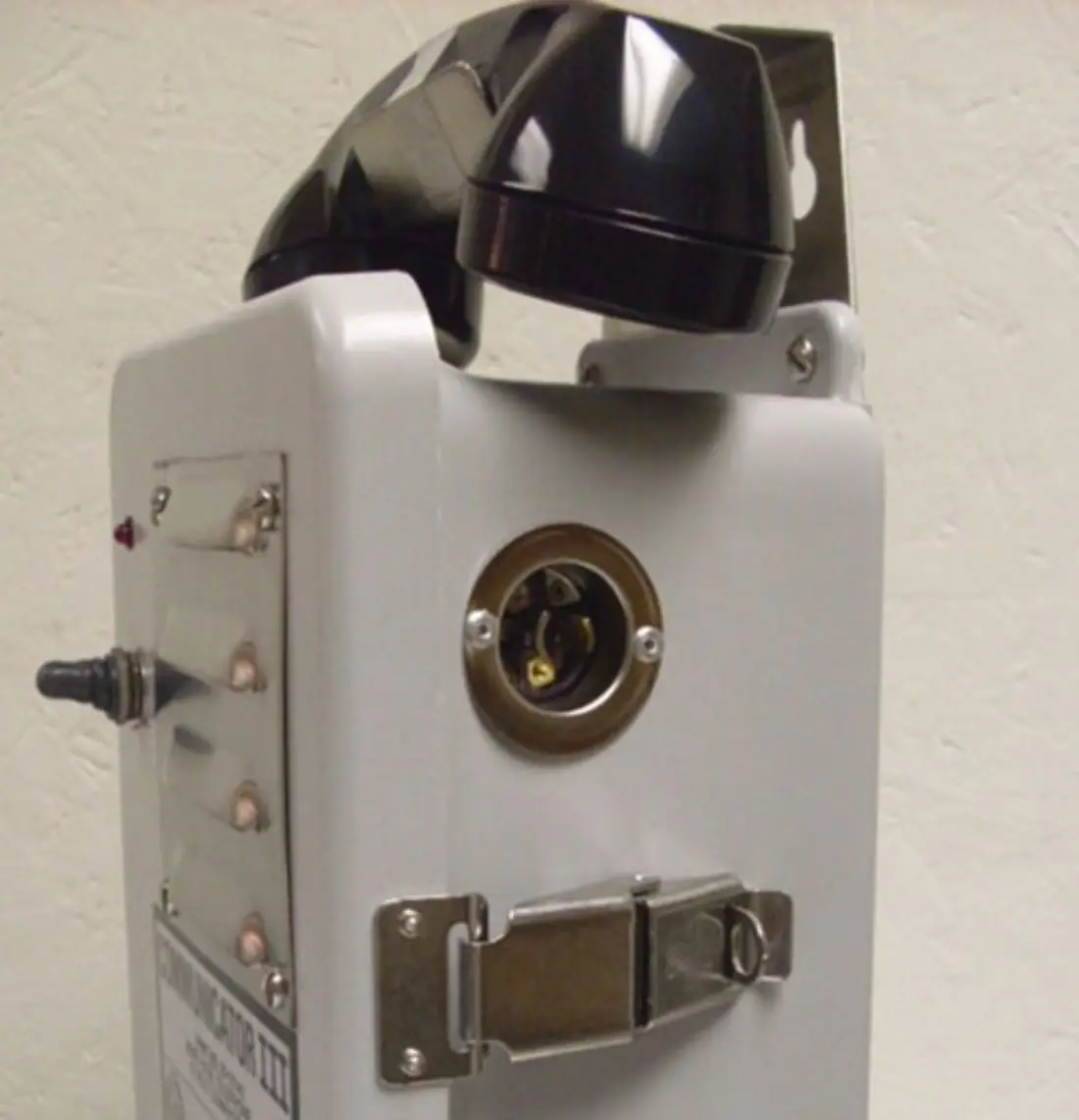
Every mine faces a familiar set of electrical headaches. The list is short, but the impact is huge:
- Signal interference from heavy equipment and overlapping radio channels
- Power surges that fry sensitive gear
- Grounding failures that leave systems exposed
- Cables that wear out, crack, or corrode in harsh tunnels
- Devices that fail from dust, water, or simple age
- Maintenance that gets skipped or rushed
- Repairs that miss the real problem
These aren’t rare events. They’re daily realities. But with the right approach, you can keep your team connected and your operation moving. For a closer look at how modern electronics drive productivity, see how electronics maximize productivity in mines. For safety insights, see why safety equipment matters in accident prevention.
Signal Interference Wrecks Clarity
Static, echo, and lost calls don’t just annoy—they break trust. When a loader fires up or a pump kicks in, electromagnetic noise floods the air. Radios and page phones start fighting for space. Metal walls and rock block or bounce signals. Old cables add their own static. Suddenly, the message is gone.
- Motors and pumps create constant background noise
- Too many radios on one channel cause cross-talk
- Steel and rock block or reflect signals, shrinking coverage
- Poor antenna placement leaves dead zones
- Damaged cables add dropouts and static
Reliable communication starts with the right gear. Minesafe Communicator Page Phones and Kenwood radios are built for this environment. Map your channels, check for overlap, and use antennas made for underground. For a technical breakdown, see this in-depth look at MSHA radios.
Power Surges and Grounding Failures
One surge can take out a whole line of radios. Underground, long cable runs and unstable power make the risk worse. Without solid grounding, stray voltage finds its way into sensitive circuits. The result? Burned boards, dead handsets, and hours of downtime.
- Lightning strikes or switching loads send spikes through the system
- Poor or missing ground paths let voltage build up
- Improper surge protection leaves equipment exposed
Surge protectors and regular grounding checks aren’t optional. They’re the only way to keep your system alive. At Minesafe Electronics, we provide surge protection solutions and grounding knowledge to help prevent costly failures. For more on how repairs keep equipment running, learn how repairs extend equipment life in mining.
Cable Wear and Corrosion
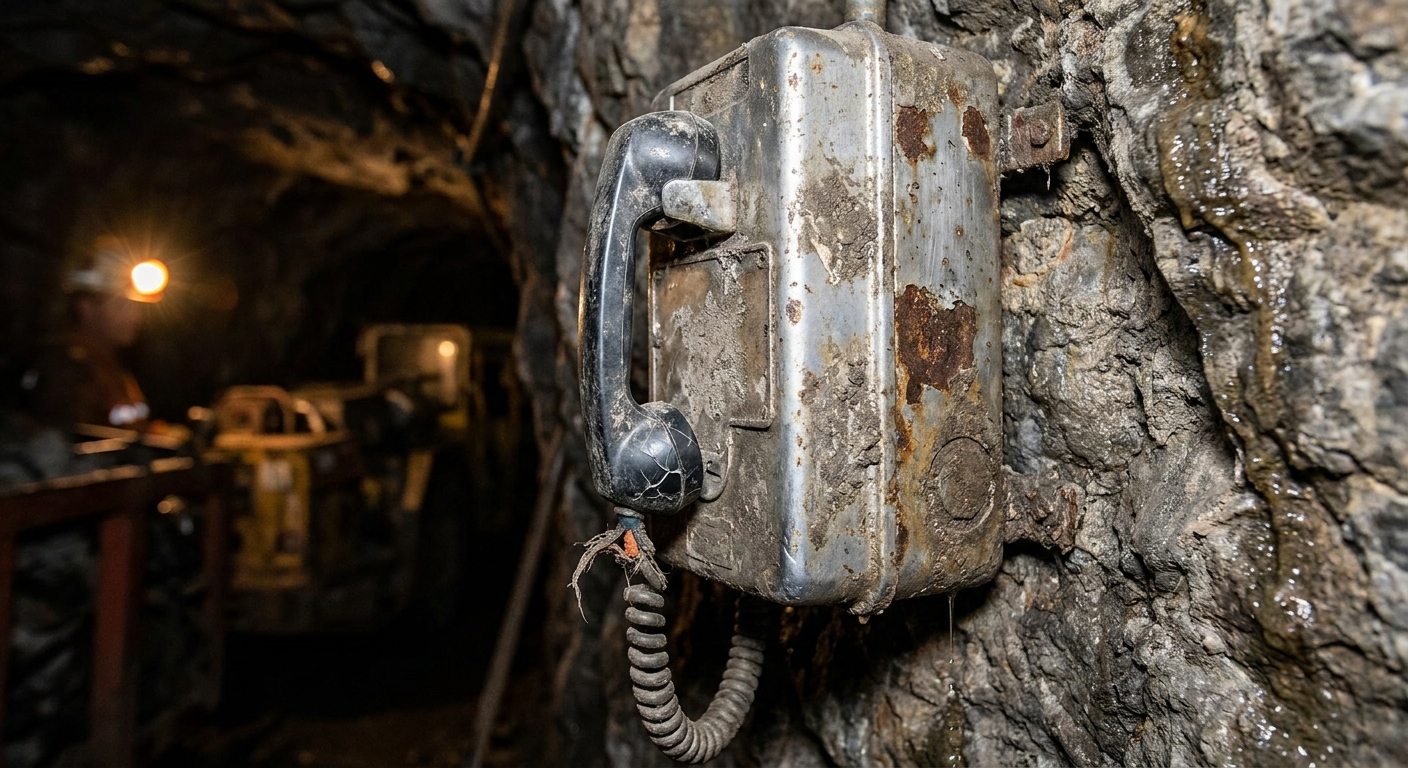
Every cable underground is under attack. Water seeps in. Dust grinds away insulation. Boots and machines crush lines. Over time, insulation cracks, connectors rust, and signals fade. A single bad cable can kill a whole section of your network.
- Moisture eats away at copper and connectors
- Dust and grit grind through insulation
- Physical abuse from equipment and foot traffic breaks lines
- Improper splicing or patching creates weak spots
Regular inspections catch trouble before it spreads. Use cables and connectors rated for mining. The MSHA-approved twist lock connector stands up to the worst conditions.
Device Failures from the Environment
Radios and phones don’t last forever. Dust clogs vents. Water seeps into seals. Vibration shakes loose connections. When a device fails, the crew loses a lifeline. Backup units and rugged, sealed housings keep the team talking.
- Dust blocks cooling and jams buttons
- Water shorts out boards and corrodes contacts
- Vibration cracks solder joints and loosens wires
- Old batteries lose charge and die without warning
Choose equipment built for abuse. Keep spares ready. For a breakdown of what makes a device reliable, see key features to look for in mining safety electronics.
Maintenance That Keeps You Running
Skip maintenance and you’re gambling with safety. Dust piles up. Batteries fade. Small problems turn into big failures. A real maintenance plan covers every detail: cleaning, testing, replacing, and documenting. No shortcuts.
- Monthly checks on every device
- Test backup batteries and power supplies
- Inspect cables and connectors for damage
- Update software and firmware
- Log every repair and replacement
Stick to the schedule. The team stays ready. Our maintenance services are designed to keep your communication systems reliable and compliant, so you can focus on safe operations. For proof that regular care pays off, see how repair services extend equipment life in mining operations.
Smart Troubleshooting Beats Uncertainty
When a system fails, guessing wastes time. Start with the basics: check power, inspect cables, test the device somewhere else. If the problem sticks, call in the professionals. Fast, accurate repairs keep downtime short and the crew safe. The right tools and experience make the difference. At Minesafe Electronics, we bring decades of troubleshooting experience and specialized tools to every repair, helping you get back online quickly. For a look at what’s available, see the full range of mining safety products for your site.
Speak with Our Team About Mining Communication Solutions
Ready to solve your mining communication issues for good? Call Minesafe Electronics at 800-523-1579 or contact us to get expert help with equipment, repairs, and troubleshooting. We’re here to keep your team connected and your site running safely, every shift, every day.
‹ Back
Recent Posts
-
Best Two-Way Radio Systems for Rock Quarries & Aggregate Operations
October 13, 2026
-
Two-Way Radios vs. Cell Phones - Which Is Better for Farm Communication?
September 29, 2026
-
Can One Two-Way Radio System Cover Multiple Farms & Fields?
September 15, 2026
-

Do Farms Need an FCC License for Two-Way Radios?
September 1, 2026
-
When Should Mine Page Phones Be Serviced or Replaced?
August 18, 2026