


What to Check Before Installing Communication Systems Underground
Shortcuts underground get people hurt. The crew checks every entry and exit before work starts. Doors open, paths clear, hazards marked. Water, gas, and loose ground get flagged right away. Electronics fail fast in wet or unstable spots. Airflow and lighting get checked. No one works in the dark or in stale air. Emergency plans aren’t just on the wall; everyone knows them by heart. Every worker wears the right gear, no exceptions.
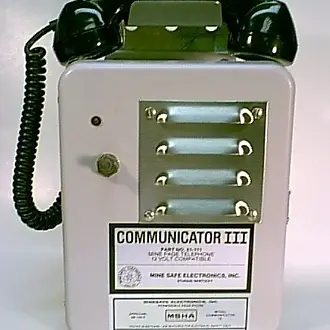
- Entry and exit routes stay clear and marked
- Hazards like water, gas, or loose ground get flagged and fixed
- Ventilation and lighting checked for every shift
- Emergency plans posted and practiced
- Personal protective equipment issued and worn
Miss a step here, and the best tech in the world won’t save the job. The team’s safety review isn’t paperwork. It’s the foundation for everything that follows. No one moves forward until the site passes every check.
Power and Connections That Don’t Quit
Underground electronics don’t get second chances. Power drops, and the whole system goes dark. That’s why every device’s needs get mapped out before installation. Main power, backup generators, and battery stations all get tested. Outlets must be close, dry, and protected. Surge protection and grounding aren’t optional. One spike fries sensitive gear. Every connection gets tested for speed and stability. Radios, phones, and sensors need steady power, or messages vanish. Battery life and charging stations for portable gear get checked and logged. No one wants a dead radio halfway through a shift.
- All power sources mapped and labeled
- Backup power tested and ready
- Voltage and current checked for every device
- Surge protection and grounding in place
- Battery stations stocked and working
Signal coverage gets the same attention. Radios must reach every corner. Dead zones get mapped and fixed. Tools and experience fill the gaps, such as repeaters, antennas, and smart placement. Every message must get through, no matter how deep the tunnel. For a closer look at how these systems keep teams connected, see how communication systems enhance safety in the mining industry.
Placing Equipment Where It Lasts
Gear doesn’t last long in the wrong spot. Dust, water, and heavy traffic destroy electronics fast. Devices get mounted high, away from puddles and mud. Busy walkways stay clear. No tripping hazards, no smashed boxes. Emergency gear sits where hands can reach it in seconds. No one wants to dig through clutter during a crisis. Every piece gets labeled and logged. The team knows what’s where, and why. For a look at the products that stand up to these conditions, see the mining electronics lineup.
- Mount gear above water lines and away from dust
- Keep walkways and work zones clear
- Emergency devices placed for instant access
- All equipment labeled and mapped
Placement isn’t guesswork. It’s the difference between a system that works and one that fails when it matters most. When customers need help choosing the right locations for their underground equipment, our team at Minesafe Electronics draws on decades of experience to recommend solutions that last.
Cabling and Signal That Hold Up Underground
Wires and signals are the veins of the network. Underground, they face heat, vibration, and interference from heavy machinery. Cables rated for underground use get the job. No cheap substitutes. Every line gets labeled, so repairs don’t turn into a guessing game. Junction boxes and connectors must meet MSHA standards. Electromagnetic interference gets tested and tracked. Wireless signals face their own battles. Rock, metal, and water block or scramble them. Every signal path gets checked, mapped, and logged. Future expansion gets built in from the start. No one wants to rip out cables just to add a new device.
- Underground-rated cables only
- Every line labeled for fast troubleshooting
- MSHA-approved junctions and connectors
- Signal strength tested at every turn
- Extra capacity for future needs
Tangled wires slow repairs and cause confusion. Organization keeps the system running and makes fixes fast. For more on wireless setups, see the advantages of wireless communication in underground mines. For connectors that hold up, see MSHA-approved twist lock connector solutions. We know that proper cable management and signal planning are essential for long-term reliability, and our installation services are designed to prevent the headaches that come from poor organization.
MSHA Rules That Don’t Budge
Every device, every cable, every connector. MSHA rules cover them all. Certifications get checked before anything goes underground. Documentation gets reviewed and filed. If a device isn’t approved, it stays topside. No exceptions. The team keeps up with every update, so nothing slips through. Compliance isn’t a box to tick. It’s the only way to keep the mine open and the crew safe. For a deeper look at how compliance shapes every step, see the technology behind MSHA approved radios.
- Certifications checked for every device
- Documentation reviewed and filed
- Non-approved gear never goes underground
- Updates tracked and applied
Compliance isn’t negotiable. It’s the baseline for every underground job. Our compliance specialists at Minesafe Electronics stay current with every MSHA update, so our customers can trust that their systems meet the latest standards.
Testing That Proves the System Works
No one trusts a system until it’s tested. Every connection gets checked. Signal tests run from end to end. Devices get calibrated for clear sound and fast response. If something fails, it gets fixed on the spot. Every test gets logged. Dates, results, and fixes. That record answers questions and solves problems down the line. For more on keeping systems running, see electronic repairs in mining.
- Signal tests run for every device
- Connections checked and logged
- Calibration for sound and speed
- Failures fixed before sign-off
- Test logs kept for every install
Testing isn’t a formality. It’s the final proof that the system will hold up when the crew needs it most. We stand behind our installation and testing process, ensuring every system is ready for the real world before the job is done.
Speak with Our Team About Mine Safety Equipment Supplier for Minesafe Electronics
Ready to make your underground communication system as safe and reliable as possible? Call 800-523-1579 or contact us to get expert help from the team at Minesafe Electronics. We’ll help you plan, install, and maintain a system that keeps your crew connected and your mine running strong.
‹ Back
Recent Posts
-
Best Two-Way Radio Systems for Rock Quarries & Aggregate Operations
October 13, 2026
-
Two-Way Radios vs. Cell Phones - Which Is Better for Farm Communication?
September 29, 2026
-

Can One Two-Way Radio System Cover Multiple Farms & Fields?
September 15, 2026
-

Do Farms Need an FCC License for Two-Way Radios?
September 1, 2026
-
When Should Mine Page Phones Be Serviced or Replaced?
August 18, 2026