


When to Replace Two-Way Radios in Mining Operations
Broken radios slow down the job and put people at risk. When a display is too dim to read, or a button won’t press, it’s not just annoying. It’s a problem that needs fixing. Static, dropped audio, cracked cases, and missing seals all mean the radio can’t be trusted. No one should have to work around gear that’s past its limit.
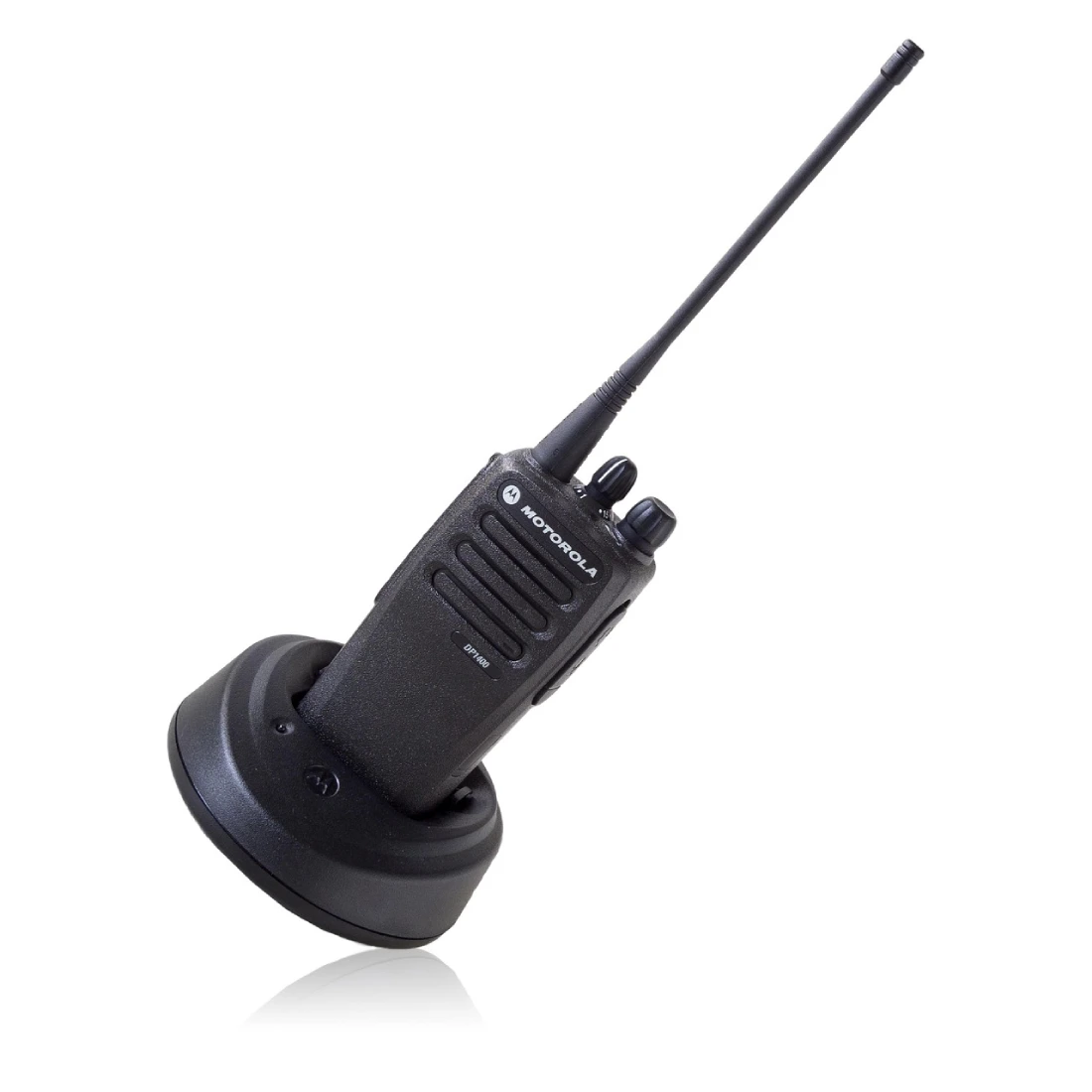
- Unreadable screens slow down every message
- Sticky or dead buttons force workarounds
- Distorted or silent audio leaves teams guessing
- Loose antennas kill range and reliability
- Damaged cases let in dust and moisture
When radios show these problems, they’re not just old. They’re unreliable. Teams can’t afford to work around broken gear. Every weak link in the chain puts people at risk and slows the job. Spotting these issues early keeps the operation moving and the crew safe.
Performance Drops That Signal Trouble
Looks can fool you. Radios might seem fine, but performance tells the real story. Static drowns out instructions. Transmissions lag or drop, especially in the spots where you need them most. Devices need constant resets just to stay online. Radios on the same channel refuse to connect. Sometimes, a unit shuts down with a full battery. These aren’t quirks. They’re warnings.
- Static and interference block clear communication
- Signals drop in critical zones
- Frequent resets waste time and focus
- Compatibility issues break team coordination
- Unexpected shutdowns leave workers in the dark
Every one of these problems chips away at safety and efficiency. When radios start to fail, confusion spreads. Emergencies become harder to manage. Consistent issues mean the equipment can’t keep up. Teams that notice these patterns need a plan. For a closer look at how strong communication protects crews, see how communication systems enhance safety in the mining industry.
Batteries and Range That Don’t Last
Halfway through a shift, a radio dies. The battery used to last all day. Now it barely makes it to lunch. Workers swap batteries constantly, but the problem keeps coming back. Range shrinks, and dead zones appear where coverage was once solid. These aren’t just signs of age. They’re warnings that the radios can’t be trusted when it matters.
- Batteries drain faster, even after a full charge
- Signal strength drops in familiar areas
- Teams lose contact in key parts of the mine
- Frequent battery swaps disrupt workflow
Weak batteries and shrinking range leave workers isolated. Missed calls and lost signals slow down every job. Crews can’t afford to guess whether a radio will last the shift. Staying on top of these issues means fewer surprises and less downtime. For more on keeping equipment reliable, see how electronic repairs extend the life of mining equipment.
Safety Takes a Hit When Radios Fail
Missed messages. Garbled audio. Silence when you need answers. These aren’t just technical problems. They’re safety risks. In mining, every second counts. Radios that can’t deliver put lives on the line. When a call for help doesn’t get through, the consequences are real. MSHA radios and other mining communication gear must work every time. Anything less is a hazard.
Teams rely on instant, clear communication. When radios fail, confusion spreads fast. Crews can’t coordinate. Emergencies become harder to manage. Reliable equipment isn’t a luxury. It’s the baseline for safe work. For more on the role of safety gear, see the importance of mining safety equipment in preventing accidents.
Repair or Replace: Making the Call
Old radios break. The question is whether to fix them or move on. Repairs can buy time, but costs add up. Some models need the same fix again and again. Parts for older units get harder to find. Sending radios out for service means downtime. Sometimes, the gear no longer meets MSHA standards. Every repair is a calculation. Does it make sense, or is it time for something new?
- Repeat repairs drain budgets and patience
- Parts for old models disappear from the market
- Downtime from repairs slows production
- Outdated radios may not meet current safety rules
- Team safety and productivity suffer with unreliable gear
When repairs cost more than the radio is worth, it’s time to upgrade. New equipment brings fewer headaches and better performance. If you’re unsure, our team at Minesafe Electronics can help you weigh the pros and cons of repair versus replacement. For a look at what’s available, see mining safety equipment built for today’s mines.
Why Scheduled Replacement Pays Off
Waiting for radios to fail costs more than most realize. Emergency replacements disrupt the flow of work. Newer models last longer, work better, and come with features designed for tough conditions. Planning ahead means fewer surprises and smoother shifts. Modern radios handle dust, moisture, and rough handling without missing a beat. Crews stay connected, and downtime drops.
- Scheduled upgrades prevent last-minute scrambles
- Modern radios offer longer life and better reliability
- Advanced features support underground work
- Fewer breakdowns mean more uptime
- Teams stay connected, even in harsh conditions
Smart upgrades pay off in fewer repairs, less downtime, and safer crews. Minesafe Electronics works with mining operations to develop scheduled replacement plans that fit your needs and budget. For more on how technology drives productivity, see the role of electronics in maximizing productivity in mines. Want to see how other mines benefit? Read testimonials from mining professionals who made the switch.
Speak with Our Team About Mine Safety Equipment in Underground Mining
Ready to upgrade your two way radios mining crews rely on? Questions about MSHA radios, radio maintenance mining, or the best radio replacement schedule for your site? Call Minesafe Electronics at 800-523-1579 or contact us to get expert help and keep your operation safe and connected.
‹ Back
Recent Posts
-
Two-Way Radios vs. Cell Phones - Which Is Better for Farm Communication?
September 29, 2026
-

Can One Two-Way Radio System Cover Multiple Farms & Fields?
September 15, 2026
-

Do Farms Need an FCC License for Two-Way Radios?
September 1, 2026
-
When Should Mine Page Phones Be Serviced or Replaced?
August 18, 2026
-
Is Your Two Way Mining Radio Losing Battery Life Fast?
August 4, 2026